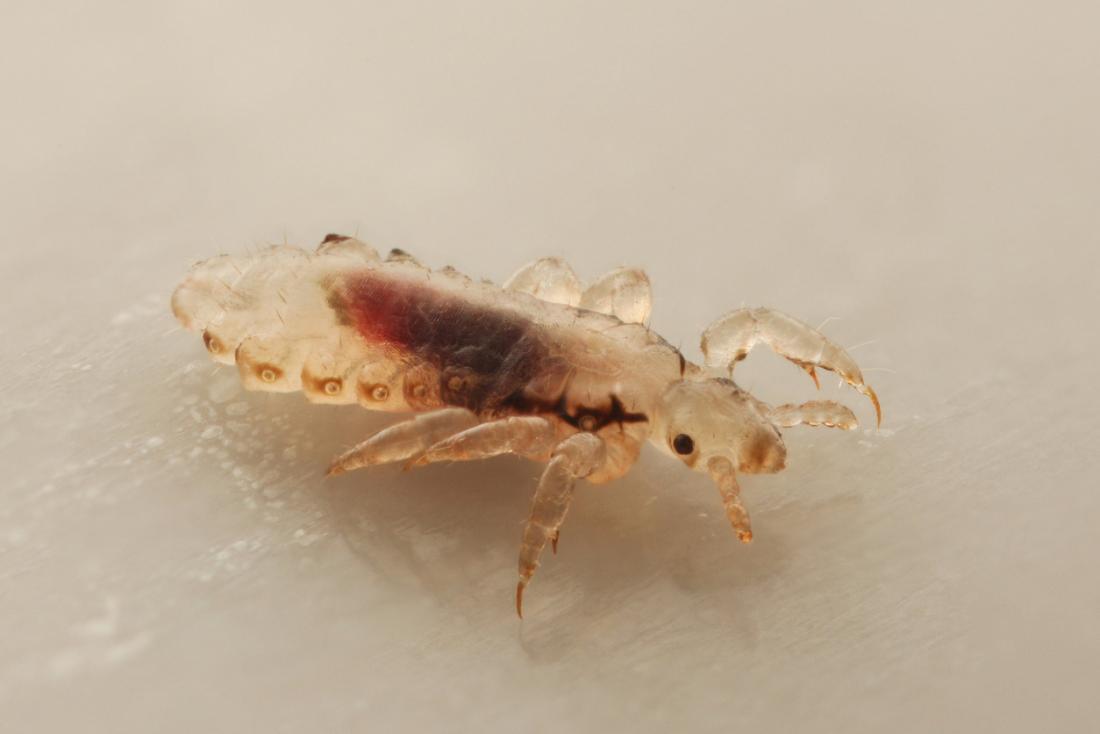
Do Lice Die With Hair Dye? You’ve probably pondered this very question while perched on your bathroom counter, swirling that alluring bottle of hair color as if it holds the secrets to untangling your life’s little hair woes. The battle against lice can feel like a never-ending saga, and if you’re here seeking to find a way to zap those pesky critters with your favorite shade of mahogany, you’re not alone! Let’s dive into the world of lice, hair dye, and the truth behind this hair-raising conundrum!
Understanding Lice and Their Life Cycle
Lice are tiny, wingless insects that make themselves cozy in human hair, feeding on blood from the scalp. Gross, right? They can be a nuisance, especially for children, and can spread like wildfire in close-knit environments such as schools and camps.
The Life Cycle of Lice
To effectively tackle these unwanted invaders, it’s important to understand their life cycle.
- Eggs (Nits): The beginning. They are usually laid close to the scalp and can take about 8-9 days to hatch.
- Nymphs: Once hatched, these baby lice mature quickly, becoming adults in about 7-10 days.
- Adults: Yeah, they get comfy and can live for about 30 days on a human before they die.
Understanding this cycle is crucial because it means that while you may be targeting adult lice, you also need to consider getting rid of the nits if you want to truly eliminate the problem.
Do Hair Dyes Affect Lice?
Now, let’s address the burning question: Do lice die with hair dye? When it comes to lice and hair dye, the relationship can be a bit complicated. Hair dye is all about changing your look and expressing yourself, but it’s not an official weapon in the war against lice.
The Composition of Hair Dye
Most hair dyes contain a mixture of chemicals that are meant to change the color and structure of your hair. Some of the chemicals in certain dyes can affect lice, while others might not have any impact at all.
- Permanent Hair Dyes: These usually contain ammonia and oxidative agents, which can be harsher on hair and may create an environment that could potentially affect lice.
- Semi-Permanent Dyes: These are gentler and primarily coat the hair rather than altering it chemically, making them less likely to impact lice.
If you’re hoping to use hair dye as a quick fix to free your mane from these unwelcome guests, it’s crucial to manage your expectations!
The Debate Around Hair Dyes as Lice Treatment
Many believe that using hair dye might be an effective method for killing lice, while others beg to differ. The truth is that the effectiveness of hair dye varies based on several factors:
- Type of Dye: As mentioned, permanent dyes may have a better chance of affecting lice due to their stronger chemicals compared to semi-permanent ones.
- Application Method: Simply applying hair dye may not guarantee that it reaches the scalp, where lice and nits tend to hang out.
- Time: Leaving the dye on your hair for an extended period could potentially increase the likelihood of lice exposure to the chemicals.
Let’s talk a little about some studies and claims that dance around this issue. While some anecdotal experiences suggest that lice may die with hair dye usage, there isn’t strong scientific evidence to back this up thoroughly. So, while it may have worked for your cousin’s friend, it might not be the ultimate solution for everyone.
Effective Ways to Treat Lice
Instead of leaning solely on hair dye to combat those dreadfully itchy vermin, here’s a round-up of effective treatments you might consider:
Over-the-Counter Treatments
- Permethrin: A common anti-lice agent found in shampoos and creams.
- Pyrethrin: Derived from chrysanthemum flowers, this treatment suffocates lice.
Prescription Treatments
- Benzyl alcohol lotion: A prescription-strength treatment that works differently than typical shampoos.
- Malathion lotion: This is an organophosphate that also works with a unique mechanism.
Natural Remedies
For those who prefer a more natural approach, you might consider:
- Essential oils: Tea tree, lavender, and eucalyptus oils have been touted for their lice-fighting properties.
- Vinegar: This can help loosen the nits from the hair, making them easier to comb out.
Comb-Through Method
A thorough combing with a fine-toothed lice comb is a must! This should be done meticulously, ideally while your hair is wet, after applying a conditioner that makes hair slippery. This manual method effectively removes nits and lice without any harsh chemicals.
How to Prevent a Lice Infestation
Once you’ve tackled the lice and achieved fluffier, color-coordinated hair, it’s time to nail down your prevention strategy! Here are some lovely tips to keep those sneaky little bugs at bay:
Regular Checks
- Regularly check your little one’s scalp, especially after slumber parties or school functions. Getting them into the habit of regularly checking can help identify lice earlier and manage them.
Avoid Head-to-Head Contact
- Lice are spread through direct head-to-head contact. Encourage kids to avoid this, and remind them not to share hats, scarves, or hair accessories.
Clean Environment
- Washing bed linens, hats, and clothing in hot water can help eliminate any stray lice or nits living in their cozy little hideouts.
Final Thoughts on Hair Dye and Lice Management
So, do lice die with hair dye? The short answer is that while there’s potential for some hair dyes to have a slight impact on lice, they shouldn’t be relied upon as a primary method of treatment. If you suspect an infestation, using proven treatments—available over the counter or through prescriptions—is your best bet.
Don’t forget that hygiene and prevention strategies are essential in this ongoing battle. Remember, keeping your head lice-free requires diligence, a little humor, and maybe a fabulous new hair color to flaunt afterwards! Lice may be a pain, but with the right strategies, they won’t stand a chance.
For further reading on lice management, make sure to check out reputable sources like the CDC on Head Lice or the American Academy of Pediatrics. Happy hair days ahead!