Malnutrition is a sneaky little monster that can creep into various aspects of our lives, leaving us feeling sluggish and worn out. One of its sneakiest tricks? Causing hair loss. “Does Malnutrition Cause Hair Loss?” is a query on the lips of many battling brittle strands and thinning tresses. Let’s dive deep into the world of malnutrition and hair loss, and uncover the connection between what we eat and the luscious locks we desire.
Understanding Malnutrition and Its Types
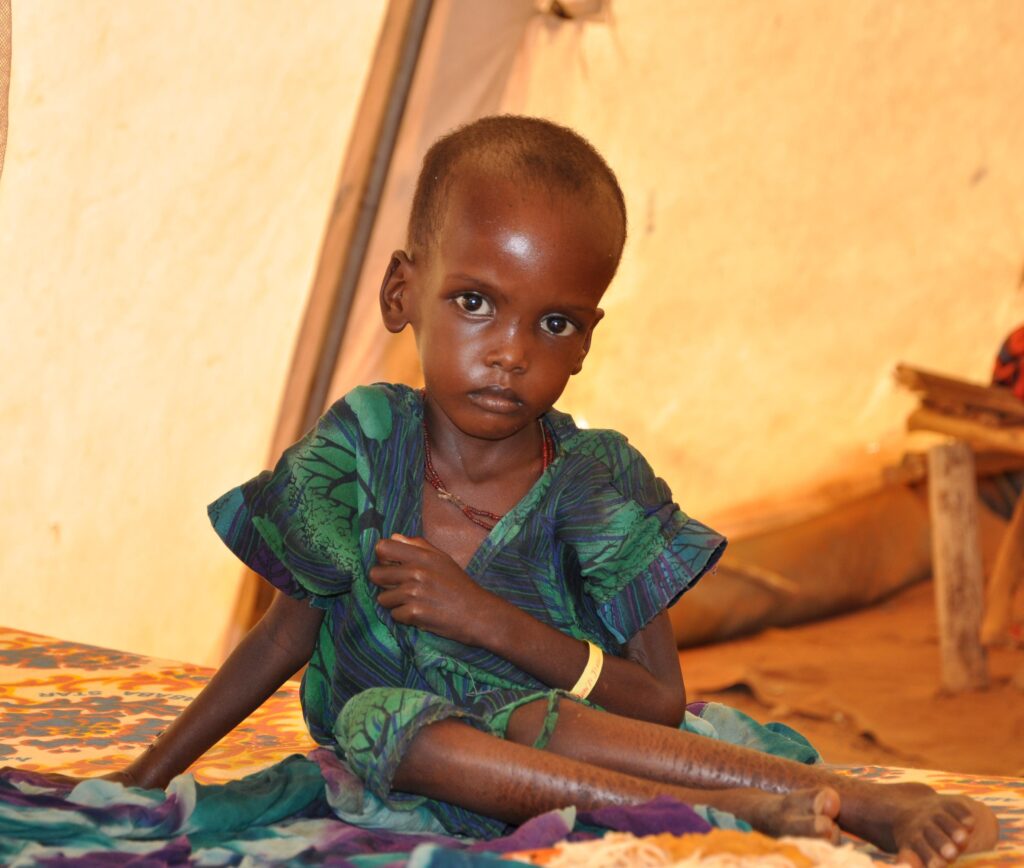
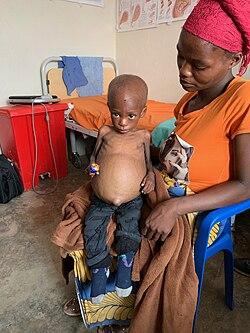
Malnutrition is a broad umbrella that covers both undernutrition and overnutrition. It’s not just about being underweight or starving; it also includes consuming too many calories without the essential nutrition needed by the body. Let’s explore this concept a little deeper, shall we?
Undernutrition
Undernutrition occurs when your body doesn’t get enough nutrients, resulting in:
- Deficiencies in vitamins and minerals: Such as iron, zinc, and vitamins A, C, D, E, and various B vitamins.
- Protein-energy malnutrition: Your body is not receiving enough protein, which is crucial for building and maintaining tissues, including hair.
Overnutrition
On the flip side, overnutrition happens when there’s an excess intake of calories, often leading to obesity. However, this too can lead to nutrient deficiencies if those calories come from junk food, leading to hair loss.
The Role of Nutrition in Hair Health
Ah, the fabulous world of hair health! Our lovely locks thrive on a balanced diet rich in essential nutrients. To put it simply, your hair is a reflection of what you put on your plate.
Key Nutrients for Healthy Hair
To answer the burning question, “Does Malnutrition Cause Hair Loss?”, it’s vital to understand the nutrients that play a role in maintaining hair strength and growth:
- Proteins: Hair is made mostly of protein (specifically keratin). If your diet is lacking in proteins, it can lead to hair weakness and loss.
- Vitamins:
– Vitamin A: Supports the production of sebum, keeping hair moisturized.
– B Vitamins: They’re essential for hair growth and overall health.
– Vitamin C: Aids in the absorption of iron, helping keep hair vibrant.
– Vitamin D: Linked to creating new hair follicles.
- Minerals:
– Iron: Vital for red blood cells; low iron levels can lead to hair loss.
– Zinc: Supports hair tissue growth and repair.
- Fatty Acids: Omega-3 fatty acids found in fish, walnuts, and leafy greens can help keep your scalp hydrated.
How Malnutrition Leads to Hair Loss
So, how does malnutrition tie into hair loss? Let’s break it down, darling!
Hormonal Changes
Inadequate nutrition can lead to hormonal imbalances. For women, fluctuating hormones often lead to hair thinning, especially during menopause or pregnancy. A diet lacking essential nutrients can exacerbate these hormonal changes, potentially triggering or accelerating hair loss.
Increased Hair Shedding
When the body doesn’t receive adequate nutrition, it begins to prioritize its functions. Guess what? Hair growth is often at the bottom of the list. Telogen effluvium, a common condition triggered by severe malnutrition, causes increased shedding of hair.
Slow Growth and Weak Strands
Malnourished hair can be incredibly fragile and slow to grow. Each strand can lack the inner strength needed to withstand styling, environmental factors, or even gentle brushing.
Scalp Health
Your scalp deserves as much TLC as your hair. Malnutrition can lead to dry, itchy, and flaky scalps due to inadequate fat and hydration from your diet. An unhealthy scalp can result in hair loss as well.
Signs of Nutritional Deficiency Affecting Hair
Now that we know does malnutrition cause hair loss?, let’s chat about how to spot that it might be affecting your lovely locks:
Hair Thinning and Bald Patches
If your hair is thinning on top or you notice small bald patches, it could be a sign of malnutrition.
Dryness and Dullness
Healthy hair should shine, darling! If your hair looks limp or lifeless, it might lack the proper nutrients your body requires.
Breakage and Split Ends
Frequent breakage and split ends also indicate that your hair isn’t getting enough of what it needs to be strong and beautiful.
Scalp Issues
Things like excessive flaking, redness, or intense itchiness can indicate an unhealthy scalp caused by malnutrition.
Preventing Hair Loss Through Nutrition
To keep those gorgeous strands beautiful and thick, let’s look at ways to prevent hair loss through proper nutrition!
Balanced Diet
Eating a well-rounded diet rich in fruits, vegetables, whole grains, lean proteins, and healthy fats will not only nourish your hair but your entire body!
Key Food Groups:
- Fruits and Vegetables: Aim for a rainbow on your plate!
- Healthy Fats: Include avocados and nuts for omega-3s.
- Lean Proteins: Opt for chicken, fish, lentils, and beans.
Supplements
If you suspect you’re not getting enough nutrients from your diet, speak to a healthcare provider about taking supplements, particularly for iron, biotin, or Vitamin D.
Hydration
Never underestimate the power of hydration! Drink plenty of water to keep your scalp healthy and promote hair growth.
Avoiding Crash Diets
Say NO to crash diets! While they promise quick fixes, they often lead to severe malnutrition and can leave your hair sad and lifeless.
Conclusion: Embracing a Nutritional Approach to Hair Health
So there you have it, hair enthusiasts! Does Malnutrition Cause Hair Loss? Absolutely, yes! Nourishing your body with the right foods can lead to stunning, vibrant hair. It’s all about balance, dear! A few careful choices and adjustments to your diet can help you maintain those lovely locks and conquer the world, one strand at a time.
For a deeper dive into nutrition and hair health, check out these reputable sources: Nutrition and Hair Loss and Impact of Nutritional Deficiencies on Hair Growth.
Let’s raise a toast to healthy eating and gorgeous hair! 🥂✨