How Do Plants Help Do The Hair Dye?
In the world of beauty, where the latest trends come and go, the relationship between nature and hair dye is both fascinating and beneficial. Have you ever sat there with your hair dying moment, clutching your favorite color while thinking, “How do plants help do the hair dye?” The answer is rich in history, science, and, of course, a splash of creativity! This article dives into the magical world of plant-based hair dyes, unearthing the secrets of how these natural elements can enhance hair color and boost overall hair health while tickling your funny bone along the way.
The Rich History of Plant-Based Hair Dyes
When we say plant-based hair dyes, it isn’t just a modern-day trend but a well-trodden path back to ancient civilizations. In fact, plants have been winking at humans and saying, “Dye your hair with me!” for centuries. The Egyptians were among the first to experiment with botanicals, using henna for dying their locks as early as 4000 years ago. Imagine Cleopatra, lounging in a bath of plant goodness while contemplating world domination—now that’s girl power!
Benefits of Using Plant-Based Hair Dyes
Eco-Friendly and Non-Toxic Choices
One major allure of plant-based hair dyes is that they are eco-friendly and non-toxic. Unlike their chemical counterparts, these natural alternatives are gentle on both your precious hair and the environment. You can strut through life with vibrantly colored hair while giving Mother Earth a big ol’ hug. Yay, planet!
Rich Nutrient Content for Hair Health
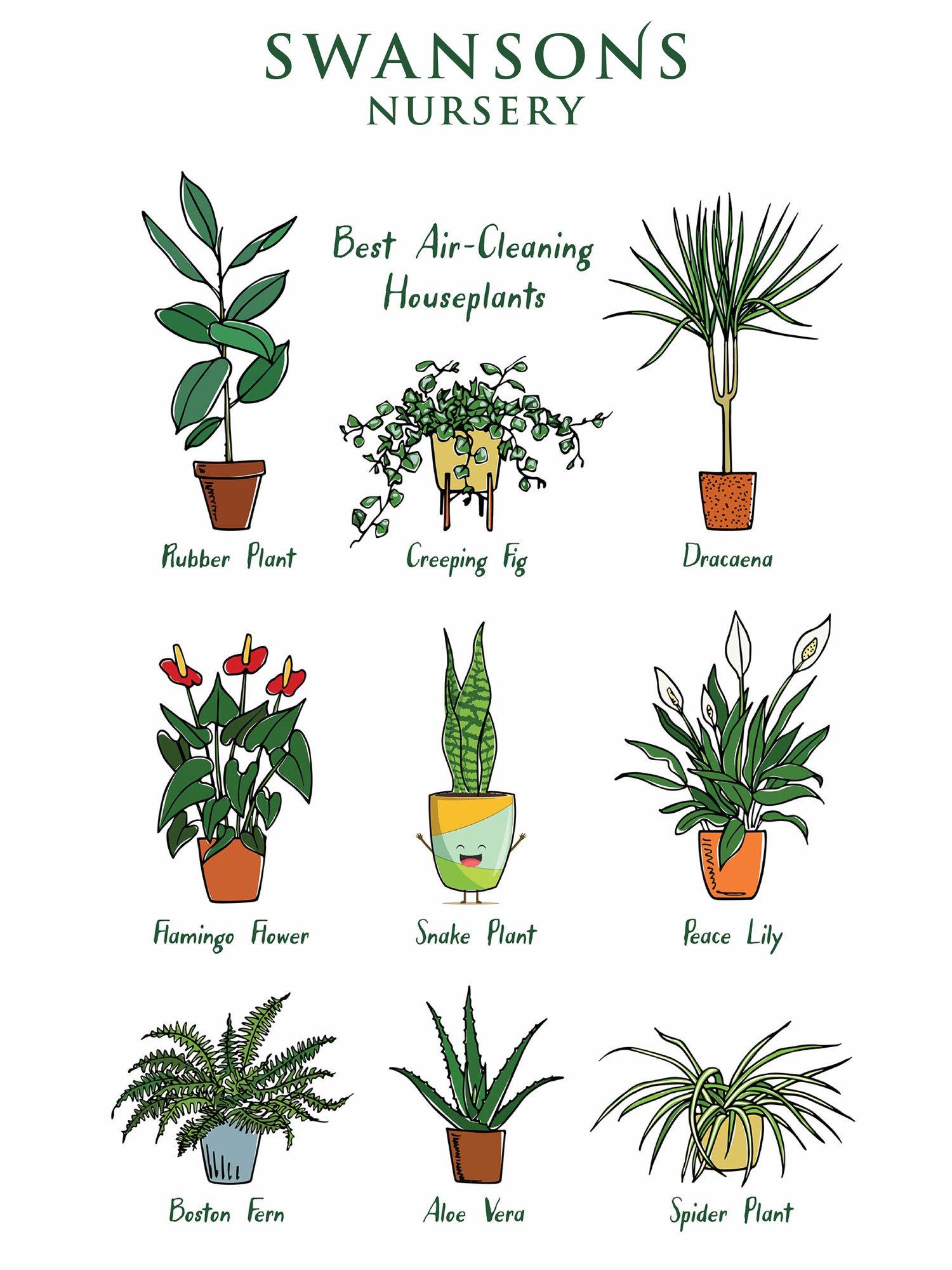
Did you know that while dyeing your hair, you’re also treating it? Plants are full of nourishing goodies like vitamins, minerals, and antioxidants. Ingredients such as aloe vera, chamomile, and hibiscus not only offer color but also cater to your mane’s overall health. Picture this: you’re applying your favorite plant dye while pampering your hair (and self!) to all those lovely nutrients. It’s a win-win!
A Wide Spectrum of Colors
Gone are the days of choosing between 50 shades of “blah.” With plants, the color palette is practically endless! From the rich, deep auburn of henna to the glittery gold of calendula, plant-based dyes can provide vibrant hues for every personality. Whether you’re feeling daring or demure, there’s a plant just waiting to color your world!
How Do Plants Help Do The Hair Dye?
Plant-based dyes work in various ways to deliver enchanting colors. Here’s how they pull off their magic:
Chemical Composition and Color Pigmentation
The coloration in plant dyes comes from their chemical composition. For instance, henna contains lawsone, which binds to the keratin in your hair to produce that gorgeous reddish-brown hue, while indigo imparts deep blues and blacks. These pigments interact with your hair’s structure, creating a unique, beautiful shade that’s just as chic as it is natural!
Popular Plants Used for Hair Dye
Getting down to the nitty-gritty, here are some fabulous plants contributing to the evolution of hair dyes:
Henna
One of the most well-known plant dyes, henna, creates a glowing reddish color. It’s basically the life of the party when it comes to natural hair trends.
Indigo
Get ready to make heads turn with indigo! This stunning blue plant works wonders when mixed with henna, creating the ultimate dark shades.
Chamomile
For those sun-kissed highlights, chamomile is here to brighten your day! It has a gentle lightening effect, perfect for that natural glow without the harsh chemicals.
Beetroot
Oh la la, the deep red of beetroot can turn your hair into a bold statement. Plus, it’s the secret sauce for those who want a pop of color without the commitment.
How to Use Plant-Based Hair Dyes
Delve into the world of DIY hair dyeing! Using plant-based dyes can feel like an adventure, so don your best apron and let’s have some fun.
- Choose Your Plant Dye
Depending on your desired shade, pick a plant dye that resonates with your vibe, whether it’s henna, indigo, or beetroot.
- Preparation is Key
Get ready by following the specific instructions for your plant dye, which usually involves mixing it into a paste with water or other natural ingredients.
- Strap In for a Dye Job
Apply the mixture to your hair, forking it off in sections. Use a brush for that salon-like touch and ensure the dye is evenly distributed.
- Sit and Wait
The waiting game can be oh-so-exciting! Most plant dyes need time to develop, with many recommending an hour to soak in all that goodness while you sip your herbal tea.
- Rinse and Revel
Once that time is up, rinse it all out. Embrace your new color, and flaunt your fabulous hair while knowing you didn’t compromise your health or the environment!
Hair Care After Plant Dyeing
Now that you’ve embraced the plant love, how do you keep your hair lush and vibrant? Caring for your newly dyed locks is key to maintaining their stunning appearance. Here’s what to do:
- Use Sulfate-Free Shampoo
Sulfates can strip those glorious colors. Opt for a sulfate-free formula to keep your hair happy and vibrant!
- Moisturize, Moisturize, Moisturize
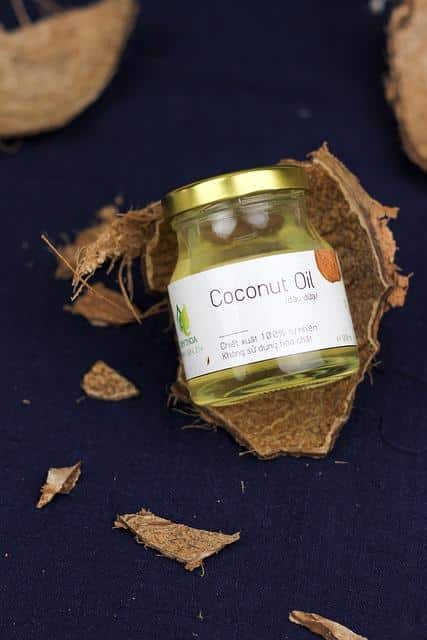
Massaging in some quality oil or conditioner will keep those strands hydrated and shiny. Oils like argan or coconut love your hair as much as you do!
- Limit Heat Styling
Give your hair a break from heated tools. Embrace your curls or waves au naturale for some serious healthy hair vibes!
Exploring the Future of Plant-Based Hair Dyes
As consumers become more aware of their choices, the future of plant-based hair dyes is blooming! With the rise in demand for sustainable beauty products, more companies are jumping on the plant train. You can expect innovative formulas, exciting colors, and perhaps even new plant ingredients in the coming years without compromising on quality or health.
The Final Brush of Color
In wrapping this vibrant discussion on how do plants help do the hair dye, it’s evident that they play a monumental role in how we approach coloring our hair. With their natural benefits, eco-friendliness, and hair-loving nutrients, plant dyes stand tall as not just a trend but a timeless choice. So, the next time you think of adding color to your beautiful locks, perhaps consider tapping into Mother Nature’s garden. She’s got plenty to offer, and trust me, your hair will thank you for it!
References and Resources
- For more on the benefits of natural dyes, check out this informative article: Natural Dyes for Your Hair.
- Learn about eco-friendly haircare options Eco-Friendly Hair Care Products.
Remember, embracing plant-based hair dyes isn’t just about the color; it’s about nurturing your hair and caring for our planet while having a little fun!