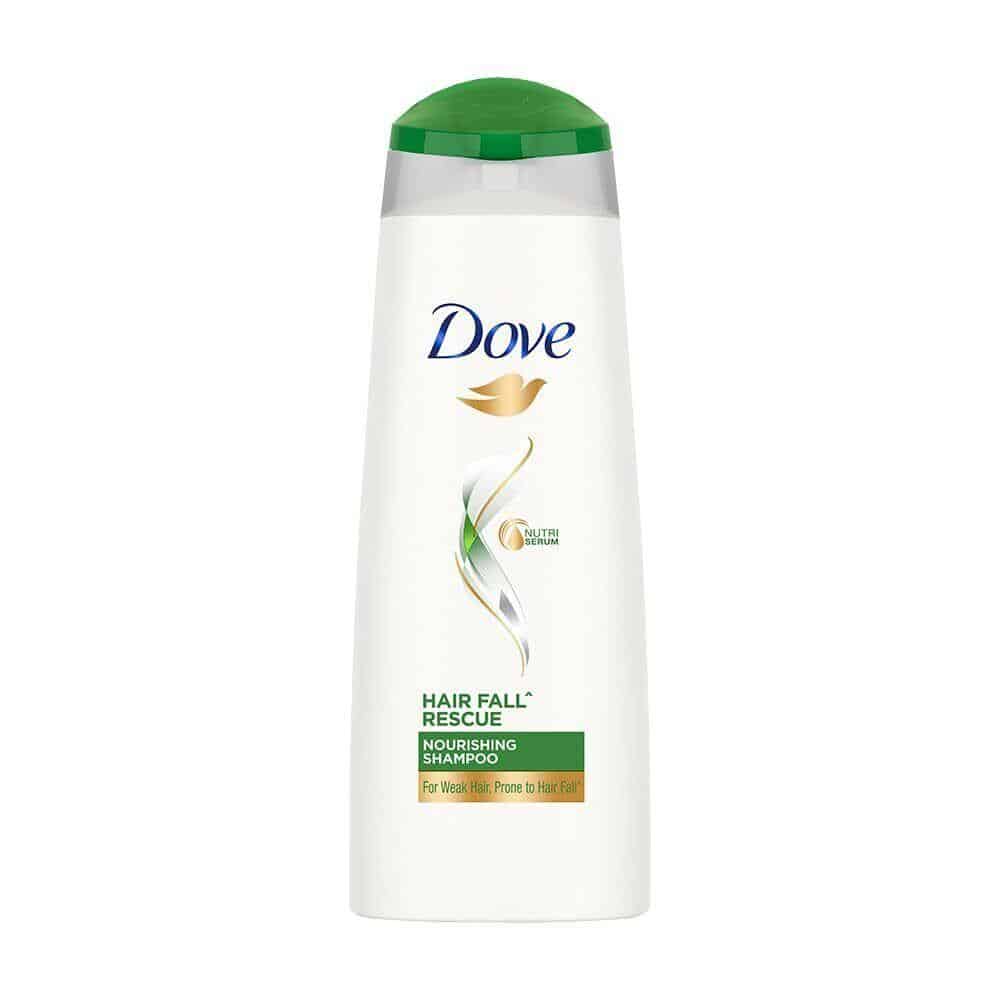
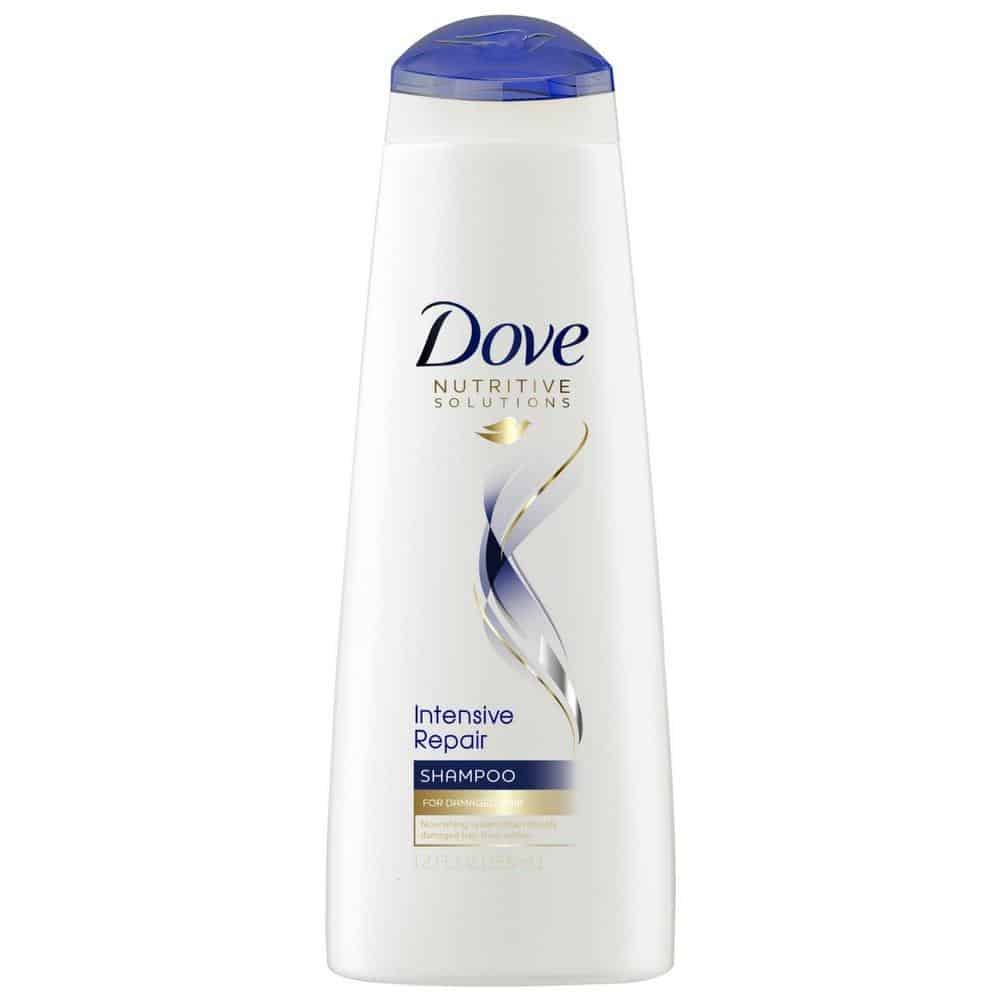
Is Dove Shampoo Bad For Your Hair? Let’s dive into the hair drama surrounding this popular product! When it comes to hair care, choosing the right products can sometimes feel like navigating through a mysterious maze. We want our locks to be luscious, shiny, and totally Instagram-worthy, but we also don’t want to end up in hair heaven (or, worse, hair hell). So, let’s explore the ins and outs of Dove shampoo, its ingredients, and how it could impact your glorious mane.
Understanding Dove Shampoo Ingredients
Dove shampoo is known for its nourishing properties and is marketed as being gentle on the hair and scalp. However, the term “gentle” can be a bit subjective. Here’s a closer look at some common ingredients found in Dove shampoos and whether they can be deemed hair-friendly.
Common Ingredients in Dove Shampoo
- Sodium Lauryl Sulfate (SLS): A surfactant that creates foam but can strip natural oils, leading to dryness.
- Sodium Chloride: Commonly known as salt, used for thickening but can cause irritation for sensitive scalps.
- Silicones: Often added to give a smooth finish but can build up over time, weighing hair down.
Though Dove products are branded as moisturizing, these ingredients may raise eyebrows for some. Remember, it’s not just about the brand but understanding how these ingredients interact with different hair types.
The Benefits of Using Dove Shampoo
Let’s chat about the perks of using Dove shampoo, shall we? Here are a few reasons why many women adore this product:
- Affordability: Dove is super budget-friendly! You can get a salon-like experience without breaking the bank. Who doesn’t love a good deal, especially when it comes to looking fabulous?
- Moisturizing Formulas: Many Dove shampoos are infused with moisturizers that can help combat frizz and dryness, making your hair feel softer and smoother.
- Availability: You can easily find Dove shampoos at almost any drugstore, supermarket, or online retailer. No need for elaborate shopping expeditions!
Potential Drawbacks of Using Dove Shampoo
Now, let’s flip the mirror and check out some potential downsides. Just like your love life (wink), Dove shampoo might not be the perfect match for everyone. Here’s what to consider:
- Sulfate Content: For those with colored or sensitive hair, the sulfates in Dove shampoos might lead to color fading or irritation. It’s essential to be aware of what your hair type needs.
- Build-Up Issues: Some women have reported that Dove shampoos with silicones can leave residue over time. This can lead to flat, dull hair — yikes!
- pH Balance: Some shampoos might disrupt the scalp’s natural pH, potentially leading to more oiliness or dryness.
Who Should Use Dove Shampoo?
Dove shampoo has a broad appeal, but it’s not a one-size-fits-all solution. Here’s a guide to seeing if it’s suitable for your unique hair needs:
- Normal to Dry Hair: Women with normal to slightly dry hair types often benefit from Dove’s moisturizing formulas.
- Straight Hair: Dove shampoos tend to work well with straight hair, adding shine without weighing it down.
- Budget-conscious Beauty Lovers: If you’re looking to keep your beauty routine affordable without sacrificing quality, Dove can be a fantastic choice!
Comparative Analysis with Other Brands
When considering whether Dove shampoo is bad for your hair, it’s essential to compare it with other available options on the market. Here’s a quick comparison with some famous brands (inserted as a simple HTML table):
| Brand | Key Ingredients | Pros | Cons |
|---|---|---|---|
| Dove | Sulfates, Silicones | Affordable, Moisturizing | Potential build-up, Sulfate irritants |
| John Frieda | Frizz-fighting ingredients | Effective on frizz, salon-like finish | Higher price point |
| Living Proof | Silicone alternatives | Lightweight, Non-toxic | Premium pricing |
How to Use Dove Shampoo Wisely
If you’re going to give Dove shampoo a whirl, here are some practical tips on how to maximize its benefits:
- Pairing with Conditioner: Always use the matching Dove conditioner to create a balanced routine that hydrates your hair.
- Don’t Overuse: Using too much shampoo can be counterproductive. A quarter-sized amount is often sufficient, and remember to focus on your scalp!
- Rinse Thoroughly: Rinse your hair well to avoid any unwanted build-up. It’ll leave your hair feeling fresh and fabulous.
Alternatives for the Hair-Savvy
If you’re a little skeptical after learning about Dove shampoo, fear not! Here are some fabulous alternatives that can cater to different hair needs:
- SheaMoisture: Great for curly or textured hair, made with natural ingredients and free from sulfates.
- Aveda: Known for botanical-based products, Aveda offers specialty shampoos for various hair types.
- L’Oreal EverPure: If you’re looking for sulfate-free options, this brand provides color-safe and nourishing shampoos.
Conclusion: Making the Hair Decision
So, is Dove shampoo bad for your hair? The answer is not as cut and dry as one might think. While Dove shampoo has its pros and cons, it ultimately comes down to individual hair types, needs, and preferences. If you find that it suits your hair, fabulous! Keep rocking those gorgeous locks! But if you notice dryness, build-up, or no effects at all, don’t hesitate to seek greener pastures in the world of hair care.
Choosing the right shampoo for your fabulous mane is about finding what works best for you. Always listen to what your hair is telling you, and don’t be afraid to experiment! Remember, darling, hair is a personal journey, and you deserve to have that fabulous hair journey you’ve always dreamed of!
For more information on hair care and to expand your knowledge, consider checking out resources from reputable sites, like Healthline. Go on, pamper yourself and enjoy your shine!