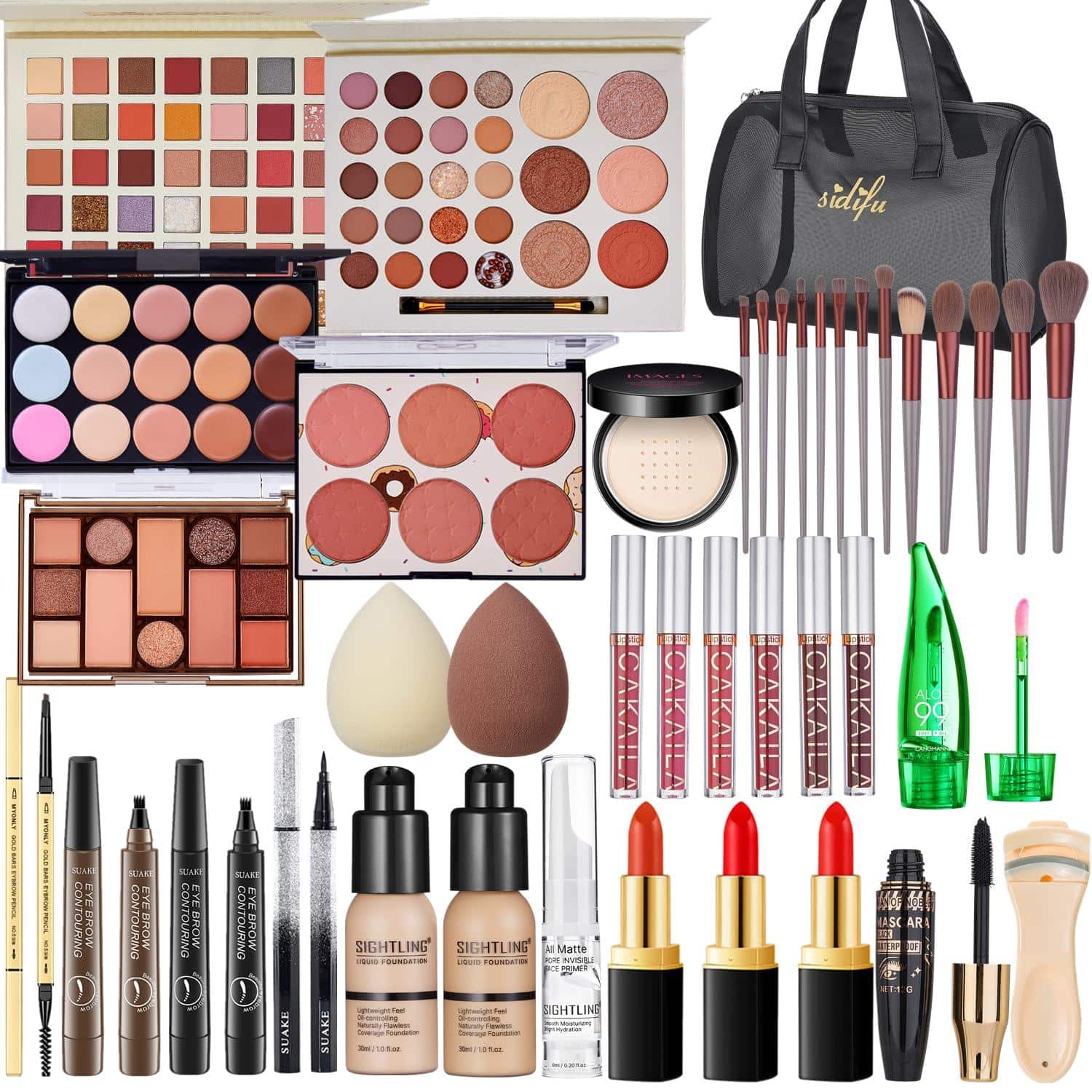
Makeup is a beloved accessory in a woman’s daily routine, adding that wow factor to every look. But have you ever wondered, does makeup go bad? It’s a question that plagues beauty lovers as much as deciding which lipstick shade to wear for a night out. Once you dive into the magical world of cosmetics, it’s crucial to understand the ins and outs of your beloved products, including their lifespan and how to tell when it’s time to toss them. So, let’s break down the details, shall we?
Understanding Makeup Shelf Life
Every beauty product comes with a shelf life, which refers to the period during which a product maintains its integrity and efficacy. Typically, makeup has an expiration date, often denoted by the Period After Opening (PAO) symbol that looks like a little jar with a number inside. This symbol indicates how many months a product is safe to use after it has been opened.
Many factors can affect the shelf life of makeup, such as:
- Ingredients: Natural products may spoil faster than synthetic ones.
- Packaging: Air-tight containers slow down spoilage.
- Storage: Keeping your makeup in a cool, dark place helps preserve it.
In general, here’s a quick rundown of how long different types of makeup tend to last:
| Product Type | Shelf Life |
| Liquid Foundation | 1 year |
| Powder Foundation | 2 years |
| Lipstick | 1-2 years |
| Eyeshadow | 2-3 years |
| Mascaras | 3-6 months |
| Blush | 2 years |
Keeping up with these timelines is key, especially when you’re in a pinch and need your products to perform. Trust me, no one wants to encounter a makeup mishap because they were too loyal to their pre-loved items!
Signs That Makeup Has Gone Bad
Now that you know the basics of makeup shelf life, let’s chat about the most tell-tale signs that scream, “this product has passed its prime.” Ignoring these signs is like wearing a cute outfit with mismatched shoes—girl, no!
- Change in Color: If your beloved foundation has morphed into a shade more fitting for a Halloween costume, it’s time for a switch-up!
- Unpleasant Smell: Makeup shouldn’t smell like week-old takeout. If it does, toss it. Your face deserves fresh scents, not stale vibes!
- Texture Changes: If your cream blush starts looking more like a sticky puddle than a smooth, blendable miracle, it’s waving goodbye.
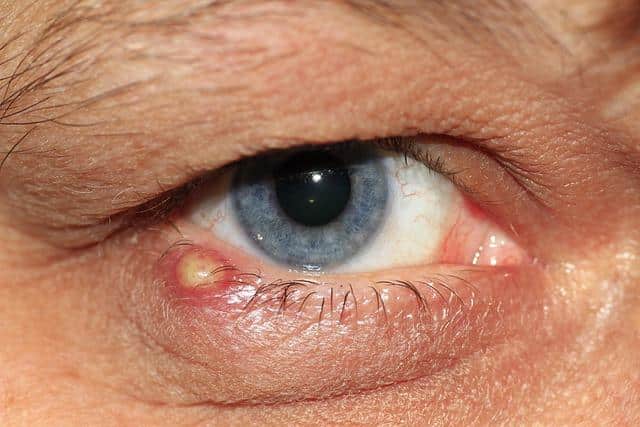
- Increased Irritation: If you experience itching or redness when applying a product that once was your holy grail, your skin is sending you a crucial message: let it go.
- Separation: Products that separate into layers may have lost their magical effects. Squeeze, shake, or swirl, but if they don’t reform, it’s time for the bin.
Proper Storage for Longevity
To maximize the lifespan of your cosmetics, proper storage is essential. Here are a few handy tips:
Keep it Cool
Avoid bathroom shelves or spots that are prone to heat and humidity. Instead, store makeup in cooler areas, like a vanity or even in the fridge for adjusted products like creams and moisturizing treatments. Just say no to melted lipsticks!
Airtight Containers
For loose powders and pigments, consider transferring them into airtight containers. This simple swap can dramatically extend their life and maintain their color integrity.
Sanitize Regularly
Germs are the sneaky killers of makeup longevity. Regularly sanitize your sponges, brushes, and any tools. It’s a quick and easy way to protect your gorgeous face from harmful bacteria.
How to Extend the Life of Your Makeup
While every product has its limit, there are strategies to stretch the shelf life of your makeup. Let’s dive into these fabulous tips:
Keep It Clean
Always ensure that your hands and tools are clean before dipping into your favorite product. Bacteria can accelerate spoilage, and you’d be shocked at how much dirt we unknowingly transfer.
Seal and Store
When you’re not using a product, make sure it’s tightly sealed. This helps to prevent air from getting in and oxidizing the product. Also, store them upright where possible—nobody wants a foundation fountain!
Use Preservatives Wisely
If you’re a DIY beauty buff, don’t skimp on preservatives when making products at home. Natural ingredients can spoil faster, so incorporate safe preservatives to extend their life.
What to Do with Expired Makeup
So what happens when you realize your makeup has kicked the bucket? Well, don’t just toss it in the trash. Here are some eco-friendly alternatives to consider:
Recycling
Many brands offer take-back programs where you can return used containers for recycling. Check with your favorite brands to see if they offer this option.
DIY Projects
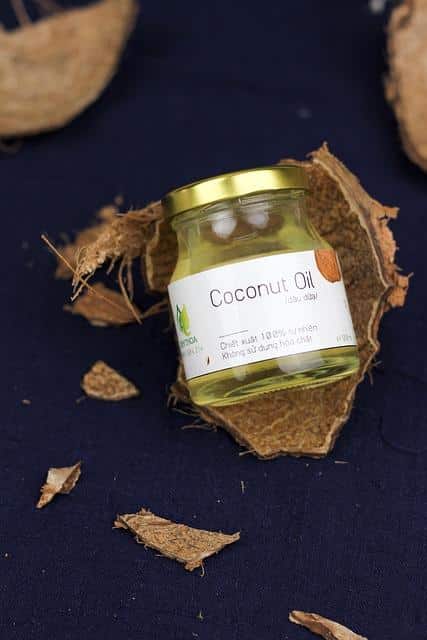
Some expired products can be repurposed. For example, old eyeshadows can be mixed with a small amount of coconut oil to create a fun stick-on shimmer for your craft projects.
Beauty Swap Parties
Gather your friends for a beauty swap soirée. If a product has barely been used, it could be someone else’s new treasure, which means less waste and more smiles!
Conclusion on Makeup Expiration
does makeup go bad? Absolutely! Just like a carton of milk, your makeup has an expiration date, and it’s essential to monitor its condition for both effectiveness and skin safety. Always remain vigilant about proper storage and look out for those tell-tale signs of expiration.
It’s just as important to understand the lifecycle of products you use daily as it is to enjoy them. Your beauty routine should enhance your confidence without any underlying worries about skin irritations or unsightly looks. Set those reminders on your phone, mark the dates on your calendars, and let the world know you’re the queen of makeup safety!
For more information on cosmetics safety, check out EWG Skin Deep and Cosmetics Info, two fantastic resources dedicated to beauty and skin health. Your face will thank you!