Does too much progesterone cause hair loss? This is a question that many women might find themselves pondering, especially during those times when hormones seem to be going haywire. Understanding the role of progesterone in our bodies is like trying to decode a particularly complex romantic comedy—filled with ups, downs, and unexpected twists! Buckle up as we unravel this intricate relationship between progesterone and hair health.
The Role of Progesterone in the Body
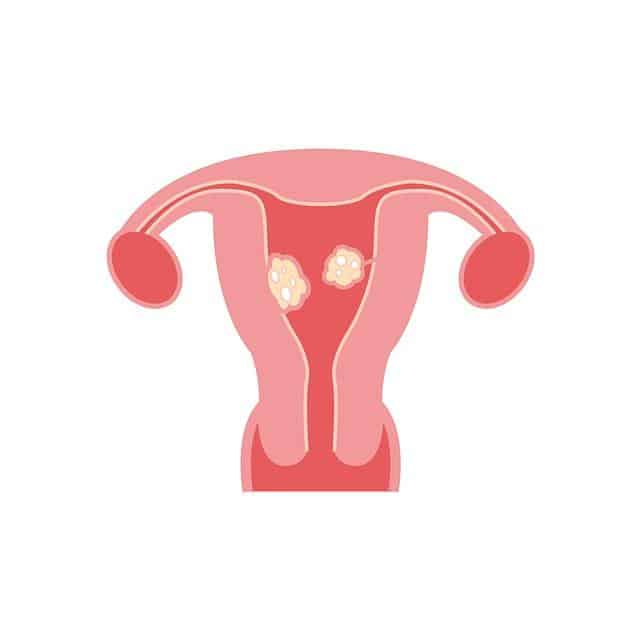
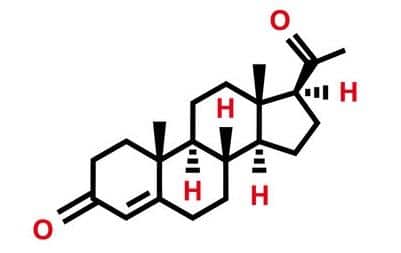
Progesterone is like that reliable best friend in your life—always there but sometimes a little too extra! This hormone plays a critical role in the menstrual cycle, pregnancy, and overall reproductive health. It’s produced mainly in the ovaries, but you can also find it in the adrenal glands and the placenta if you happen to be growing a tiny human.
How Progesterone Works Its Magic
When your body gets ready for menstruation, progesterone surges to prepare the uterus for a potential pregnancy. If no pregnancy occurs, progesterone levels drop, leading to menstruation. Now, that’s a natural cycle, right? But sometimes, an increase in progesterone can cause some women to experience various side effects, including hair loss.
Normal Levels of Progesterone
To understand the impact of excessive progesterone, we need to know what normal levels look like. Typically, progesterone levels fluctuate during a woman’s menstrual cycle:
- Follicular Phase: Low levels (0.2-1.5 ng/mL)
- Ovulation: Rises to around (5-20 ng/mL)
- Luteal Phase: Peaks around (5-20 ng/mL)
So, you can see there’s a delicate balancing act happening here that, when disrupted, might lead to complications, hair loss included.
Does Too Much Progesterone Cause Hair Loss
When probing the question, “Does too much progesterone cause hair loss?”, it’s essential to highlight that while progesterone is necessary for health, an excess of this hormone can lead to uninvited guests, like hair thinning or loss. Here’s the scoop:
The Hair Growth Cycle
Every hair on your head has a lifecycle, including growth (anagen), rest (telogen), and shedding (catagen). For optimal hair growth, these phases need to stay in harmony:
- Growing Phase (Anagen): Length of this phase can last years.
- Resting Phase (Telogen): Hair strands are on a vacation before being shed.
- Shedding Phase (Catagen): This is where the drama happens, and sometimes emotional support is needed!
When hormonal levels swing, especially with an overload of progesterone, the hair cycle can shift, causing strands to transition from the growth phase to the shedding phase too soon.
The Connection Between Progesterone and Androgens
Too much progesterone can lead to increased levels of androgens (male hormones like testosterone) in women. Our bodies can be quirky! When this happens, it can disturb the delicate balance of hair follicle activity. Hair follicles can shrink due to the influence of androgens, resulting in hair thinning and potentially leading to hair loss.
Exploring Symptoms of High Progesterone
Here are a few signs that might indicate you’re dealing with high progesterone levels:
- Mood Swings: Believe it or not, hormonal fluctuations can make you feel like you’re starring in your own rom-com.
- Weight Gain: Those pesky pounds can sneak up on you, sometimes due to hormonal imbalances.
- Bloating: Feeling like a balloon at a party? That’s progesterone for you!
- Hair Thinning: This is where it gets personal, leading us right back to the hair loss question.
If you’re on hormonal medications or supplements with high progesterone, keeping an eye on these symptoms can help you navigate your path with clarity.
Factors That Contribute to High Progesterone
Understanding what triggers an increase in progesterone can shine a light on potential hair loss tails. Here are a few offenders:
Hormonal Medications
Hormonal treatments for conditions like PCOS (Polycystic Ovary Syndrome) often come with elevated progesterone levels. A little helping hand for one issue can sometimes lead to hair loss as an unexpected side effect on the flip side.
Pregnancy and Menopause
These life stages are like high-stakes games, filled with hormonal rollercoasters. During pregnancy, progesterone levels skyrocket, and after menopause, levels fluctuate and decrease, affecting hair growth patterns.
Stress and Lifestyle Factors
Stress is creepy and can sneak up on all of us, leading to hormone imbalance. When stress runs high, progesterone alters, causing unexpected hair loss. Incorporating relaxation techniques can help keep those stress levels at bay.
Managing High Progesterone
If you’re asking, “Does too much progesterone cause hair loss?”, and feel like it’s happening to you, fret not! Here’s how to navigate this hormonal hurricane effectively:
Consult a Healthcare Professional
First and foremost, talk to a healthcare provider. After all, having someone assess your hormonal health is like having a fabulous hair stylist – soon you’ll be strutting your stuff again! They may suggest blood tests to determine your hormone levels and discuss possible medication adjustments.
Lifestyle Changes
Consider making some healthy lifestyle changes, like incorporating a balanced diet rich in fruits, veggies, and lean proteins. A healthy diet can support hormonal balance and fun, shiny hair. Don’t forget to exercise! Regular activity helps reduce stress and regulate hormones.
Hair Restoration Treatments
For those experiencing hair loss, don’t underestimate the power of hair restoration treatments. Topical treatments, like minoxidil, and therapies can help stimulate hair growth. Sometimes, a little bit of support is just what you need to bring your luscious locks back to life!
Conclusion
In the wild and wonderful world of hormones, asking if too much progesterone causes hair loss is valid and important. With medical advice, a sprinkle of self-care, and maybe a fabulous new hairdo, you can tackle any hormonal hiccup with confidence. Remember, taking care of your body is just as important as nurturing those fabulous tresses. So, keep shining, lovely, and know that your hair journey is uniquely yours!
For more in-depth information, consider reading about hormonal influences on hair loss and varying factors at WebMD.
Keep your spirits high and your hair fabulous!