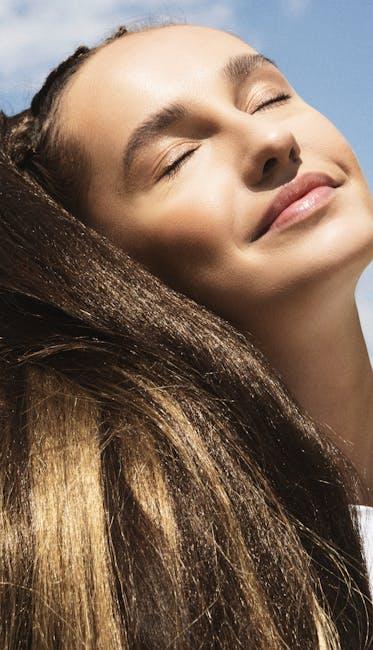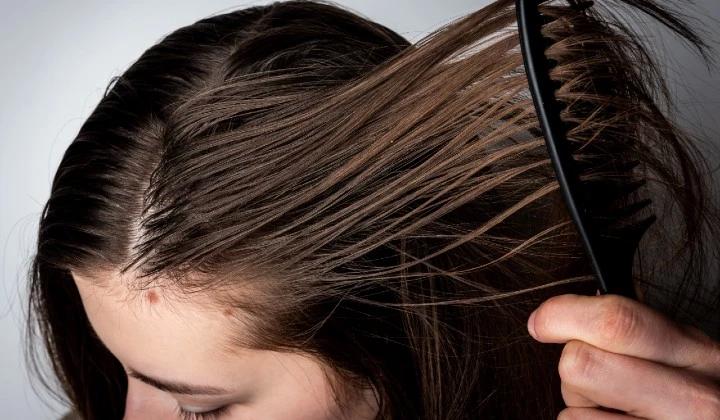

Does oily scalp cause hair loss? This is a question that’s been swirling around in the hair care community like glitter in a craft room. For many of us, dealing with an oily scalp can feel like battling a never-ending greasiness that just seems to take over our lovely locks. While it may be tempting to blame every strand of hair that falls out on an oily scalp, let’s dive deeper into the relationship between oiliness and hair loss. Grab your favorite cup of tea and let’s untangle this mystery together!
Understanding Oily Scalp and Its Causes
An oily scalp is essentially a condition where the scalp produces excess sebum—the oily substance produced by sebaceous glands. This natural oil serves the important purpose of moisturizing and protecting our hair and scalp. So, why does it seem like an oily scalp can lead to hair loss?
The Role of Sebum Production
Sebum production can be influenced by various factors, including hormonal changes, diet, stress levels, and even genetic predispositions. Here’s a quick breakdown of what could be contributing to that overly oily texture:
- Hormonal fluctuations: Think of your hormones as those friends who show up to a party uninvited and start messing with the vibe. Hormonal changes, particularly during puberty, menstruation, pregnancy, or menopause, can ramp up sebum production.
- Diet: Believe it or not, your diet can have a significant impact on your scalp’s oiliness. A diet high in processed foods or sugar can lead to an imbalance that results in more oil production.
- Stress: Ah, stress—the not-so-secret enemy of luscious locks. High stress levels can lead to an increase in certain hormones that trigger oil production.
- Genetics: Sometimes, it’s just in your DNA! If you come from a line of oily-haired beauties, there’s a good chance you might face the same situation.
Does Oily Scalp Cause Hair Loss?
So, does oily scalp cause hair loss? While an oily scalp itself doesn’t directly lead to hair loss, it can create an environment where hair follicles are affected negatively. Let’s explore how this happens.
The Impact of Excess Oil
Clogged Hair Follicles
One of the main concerns with an oily scalp is that excess sebum can lead to clogged hair follicles. When these follicles become blocked with oil, dirt, and product buildup, hair growth can be stunted, leading to thinning or shedding over time. Think of it like a plant suffocating under too many weeds!
Scalp Conditions
An excessively oily scalp is also a breeding ground for certain scalp conditions such as dandruff, seborrheic dermatitis, or fungal infections. These conditions can lead to inflammation and irritation, further damaging the hair follicles and possibly contributing to hair loss.
Hair Growth Cycle Disruption
Hair goes through a growth cycle that includes phases of growth (anagen), regression (catagen), and resting (telogen). An oily scalp can push more follicles into the telogen phase prematurely. The result? More hair falls out than is allowed to grow back. This imbalance can cause noticeable thinning of the hair.
Symptoms Associated with Oily Scalp
Understanding the signs of an oily scalp can help you tackle the issue before it leads to hair loss. Here are a few key symptoms to watch for:
- Greasy texture after washing: If your hair feels oily just a few hours after washing, it may indicate overactive sebaceous glands.
- Flaky patches: These can be a sign of excess oil causing clogged pores.
- Itchiness and irritation: If your scalp feels uncomfortable or itchy, it could be a reaction to oily buildup.
Common Misconceptions About Oily Scalp and Hair Loss
Let’s debunk a few myths while we’re at it!
Oily Hair Is Not Always Unhealthy
Contrary to what society may lead us to believe, oily hair isn’t universally a sign of poor hygiene. In fact, some oil is essential for healthy hair. It keeps strands hydrated and provides necessary nutrients.
Washing Hair Too Often Can Worsen the Issue
Over-washing can strip the scalp of its natural oils, prompting the sebaceous glands to produce even more oil. It’s a vicious cycle, darling! Finding that perfect balance is key to maintaining a happy scalp.
Solutions for Managing Oily Scalp
If oily scalp is making you feel like you’re in a slippery situation, fear not! There are numerous strategies that can help reduce oiliness and promote healthy hair growth.
Regular Cleansing
Finding the right frequency for washing your hair can be a game-changer! Here are some guidelines:
- For greasy hair, frequent washing (every other day or even daily) may be necessary.
- If your hair is dry on the ends, consider a rinse-down of just the scalp, leaving the ends bouncy and happy.
Using a clarifying shampoo once a week can help to deep clean any buildup, but be cautious not to overdo it as these can strip natural oils.
Scalp Exfoliation
Just as you would exfoliate your skin, your scalp deserves some TLC too! Consider incorporating gentle scalp exfoliation products that can help remove excess oil and prevent clogged follicles. Look for ingredients like salicylic acid or tea tree oil that work well for oily scalps.
Adjusting Your Diet
Eating a balanced diet rich in whole foods, fruits, and veggies can keep your skin and scalp healthy. Omega-3 fatty acids, found in fatty fish, can help balance scalp oil production, while hydrating properly by drinking lots of water can promote overall hair health.
Professional Treatments for Oily Scalp
If DIY solutions aren’t cutting it, there are professional options to consider!
Consult a Dermatologist
If your oily scalp is accompanied by severe hair loss or inflammation, consulting a dermatologist can provide personalized treatment plans which may include medicated shampoos or topical treatments. Always better to be safe and sound!
Professional Scalp Treatments
Some salons offer specialized scalp treatments that can help balance oil production. Look for treatments that include deep cleansing and nourishing scalp massages. Who doesn’t love a little pampering?
Maintaining a Healthier Scalp
In addition to addressing the oiliness, it’s crucial to develop a holistic hair care routine to maintain a healthy scalp environment.
Use the Right Hair Products
Choose hair products that are labeled oil-free or designed for oily hair. Avoid heavy conditioners that can weigh your hair down. Lightweight products can help keep the balance pristine!
Keep Hair Tools Clean
Dirty hair tools can transfer oil and grime back to your scalp. Regularly cleaning hairbrushes and styling tools is essential to maintaining a clean, fresh scalp.
Mind Your Hair Care Routine
Avoid tight hairstyles that stress the hair follicles and can increase hair loss potential. Instead, let your hair embrace its natural beauty with gentle care.
Conclusion
does oily scalp cause hair loss? While it doesn’t have a direct correlation, excess oil can create problems that might lead to hair loss if not managed properly. By understanding how to balance scalp oiliness with effective hair care practices, anyone can maintain luscious locks and a healthy scalp. Taking control of your scalp health is a beautiful journey—embrace it, and watch your hair thrive! For more information on hair loss and scalp health, check out resources from the Hair Loss Association and the American Hair Loss Association. Happy hair days ahead! 🌟