Does an absent medulla change your hair texture? This intriguing question has intrigued many beauty aficionados and hair care enthusiasts alike. Believe it or not, the medulla is a little part of our hair that plays a critical role in how our locks look and feel. It’s like the inner diva of your strands! So, buckle up, because we are diving deep into the wild world of hair anatomy and texture transformations.
Understanding Hair Anatomy and the Medulla
Hair has several layers, and each one serves its own fabulous purpose. The medulla is the innermost layer of the hair shaft. Think of it as the cozy center of a hair parfait! It can be absent in some people, and quite frankly, science is still trying to figure out how this absence relates to hair texture.
- The Medulla’s Role: The medulla is made up of soft keratin, and while its specific function isn’t entirely clear, it may be linked to the overall integrity of the hair. This layer might play a part in whether our hair is fine, medium, or thick—how exciting is that?
- What Happens Without It?: If you are one of those lucky peeps with an absent medulla in your hair, that could create some noticeable differences. Studies have indicated that hair without a medulla is often more fragile and might have a silkier or more limp texture.
Types of Hair Textures
To further understand how the absent medulla can impact hair texture, let’s explore the different types of hair textures. Hair can typically be categorized into:
| Hair Type | Description |
|———————|———————————————————–|
| Straight | Smooth and straight without waves or curls. |
| Wavy | Soft waves that can range from loose to tight curls. |
| Curly | Bouncy, tight curls that are full of personality. |
| Coily | Tiny, delicate curls that can seem voluminous and thick. |
Each type of hair texture is distinct and brings its own flair to the party. However, depending on whether the medulla is present, the texture might vary even within these categories.
Does An Absent Medulla Change Your Hair Texture? Exploring Hair Characteristics
So, does an absent medulla change your hair texture? Absolutely! When the medulla is missing, hair tends to lack some of the structural integrity and may appear different. Here’s how:
- Breakage and Fragility: Hair without a medulla can be more prone to breakage, leading to that ever-frustrating journey of split ends. Say goodbye to those luscious locks if proper care isn’t taken!
- Silkiness and Smoothness: Surprisingly, the absence of the medulla might leave hair feeling softer and silkier. Some may even find that their hair is easier to manage, style, and detangle.
- Volume vs. Weight: A medulla can contribute to hair’s overall volume. Therefore, without this layer, hair might feel lighter but less voluminous.
Genetics and Hair Texture
Ah, genetics! Our one true love that governs many aspects of our lives, including how our hair behaves. When delving into the question, does an absent medulla change your hair texture? we cannot ignore the significant role genetics play.
- Inherited Traits: Hair texture is hereditary, which often means that hair density and the presence of the medulla can run in families. It’s like a treasure map passed down through generations!
- Environmental Factors: Besides genetics, environmental factors like humidity, pollution, and chemical treatments can also affect hair texture. If you’re dealing with frizz, it might not just be the medulla’s fault, darling!
Caring for Hair Without a Medulla
If you’ve realized that your hair structure is lacking that fabulous medulla, there are multiple ways to care for your locks. Making adjustments in your hair care routine can help enhance your overall hair health and texture. Here are some fabulous tips to try:
- Use Nourishing Products: Opt for sulfate-free shampoos and hydrating conditioners that promote moisture retention. Look for products with natural oils, as they can make a world of difference for textured hair.
- Deep Conditioning Treatments: Treat your hair to regular deep conditioning sessions. A rich hair mask once a week can restore that luscious look and feel.
- Limit Heat Styling: Overdoing it on the hot tools can damage hair further, especially if it’s already fragile. Embrace those natural waves or curls once in a while!
- Trim Regularly: Keep those split ends at bay with regular trims. It’s a beautiful way to showcase your healthy hair!
Products That Can Help
To help combat the challenges of having an absent medulla, here are some product recommendations that can work wonders:
| Product Type | Recommendations |
|———————————-|——————————————|
| Shampoos | Hydrating & Sulfate-free varieties |
| Conditioners | Moisture-rich conditioners |
| Hair Masks | Deep conditioning masks |
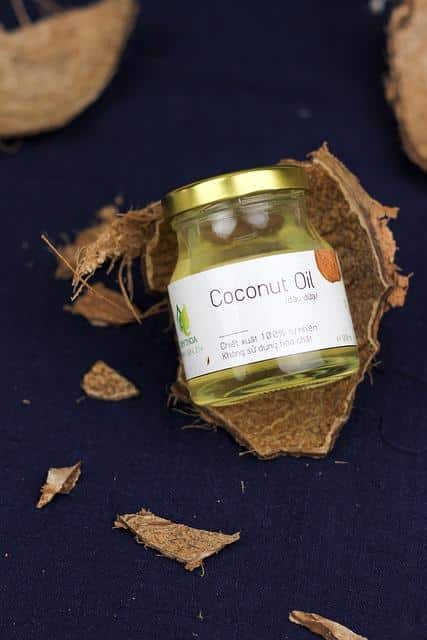
| Serums & Oils | Argan oil, coconut oil, or jojoba oil |
Investing in high-quality hair products can truly help manage and enhance your texture.
Understanding Medical Conditions and Hair Changes
Aside from genetics and the absence of the medulla, it’s important to consider medical conditions that may impact hair texture. Certain health issues may result in changes to hair quality or even lead to hair loss.
- Hormonal Imbalances: Conditions like polycystic ovary syndrome (PCOS) can influence hair texture and density.
- Autoimmune Disorders: Diseases such as alopecia areata can lead to sudden hair loss and even changes in texture.
- Nutritional Deficiencies: A lack of essential vitamins and minerals can affect hair health. It’s crucial to maintain a balanced diet rich in nutrients.
For more information on how health can affect your hair, check out this research article.
Conclusion
Does an absent medulla change your hair texture? Absolutely! The medulla, while small, serves integral purposes in the world of hair health and texture. It affects how our hair holds moisture, its volume, and even how fragile it may be. By understanding these factors and taking appropriate care, you can ensure your hair remains fabulous, regardless of whether the elusive medulla is present! So go on, embrace the journey, and remember: your hair is your crown, so wear it with pride!