Makeup enthusiasts everywhere have likely encountered the term “oxidization” at some point. So, what does it mean when makeup oxidizes? It’s not just a fancy term thrown around in beauty marketing; it’s an actual chemical reaction that can significantly affect how your favorite products perform on your skin. Let’s dive into the colorful world of makeup oxidation and decode what’s happening behind the scenes!
Understanding Makeup Oxidization
Makeup oxidation is a process that occurs when certain ingredients in your cosmetics react with oxygen. This reaction can lead to some noticeable changes in the appearance and longevity of your products. You might find that your once-perfect foundation has suddenly transformed into an unsightly, orange-hued nightmare, leaving you wondering if you’ve accidentally walked into a tanning salon instead of your bathroom. Let’s break it down!
What Happens During Oxidization
When exposed to air, makeup can undergo chemical changes that impact its color, texture, and overall wearability. Here are a few things that occur:
-
- Color Change: One of the most visible signs of oxidation is a change in color. Makeup products, especially foundations and concealers that contain certain pigments, can darken and take on warmer, yellow, or orange tones.
-
- Texture Alteration: Some products may become thicker, causing them to apply unevenly or cling to dry patches, which is definitely not the flawless finish we aim for!
-
- Longevity Issues: Oxidized makeup can wear away more quickly throughout the day. This can lead to excess shine or, conversely, dryness in areas where the product may have missed the boat.
Understanding these changes can help everyone appreciate what does it mean when makeup oxidizes and why it’s important to be aware of the types of products they’re using.
Common Products Affected by Oxidization
Not all cosmetics are created equal, and some are far more prone to oxidization than others. Here’s a rundown of the typical suspects:
-
- Foundations and BB Creams: Many liquid foundations are notorious for oxidizing. Products that contain iron oxide are particularly susceptible. This is due to their unique molecular structure that interacts with oxygen, leading to a change in color.
-
- Concealers: Just like foundations, concealers can also turn shades darker or more orange, especially those that are creamy and moisturizing.
-
- Lip Products: Liquid lipsticks and some glosses can also undergo significant changes, sometimes darkening in color or shifting in tone after application.
-
- Powdered Products: This includes blushes, bronzers, and eyeshadows, which may not change as dramatically as liquid products, but they can still experience subtle shifts.
Factors Contributing to Makeup Oxidization
Why does some makeup decide to go all Dr. Jekyll and Mr. Hyde after a few hours? There are several factors that contribute to this phenomenon:
Ingredients Matter
Certain ingredients in your makeup can hasten the oxidation process. Products high in oils and silicones tend to oxidize more quickly. Look out for:
-
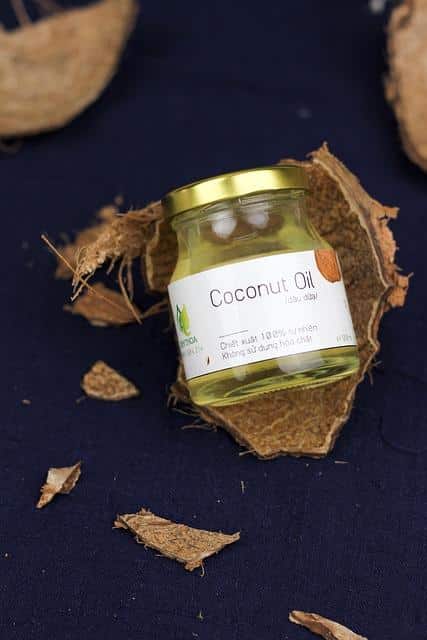
- Natural Oils: Ingredients like coconut or avocado oil can react with the environment.
-
- Silicones: Compounds like dimethicone may also play a role in speeding up oxidation.
Environmental Conditions
The makeup world is a delicate ecosystem, and environmental factors can influence how products behave. Here are a few conditions to be aware of:
-
- Humidity: High humidity levels can make products more prone to oxidation as sweat and oil interact with your makeup.
-
- Temperature: Heat can speed up reactions, so storing your makeup in a hot bathroom may lead to quicker oxidization.
Application Techniques
How you apply your makeup can also affect its lifespan. Using the wrong tools or applying too heavily might contribute to oxidation by trapping air in the layers of the product, creating a cozy atmosphere for those pesky reactions.
How to Prevent Makeup Oxidization
Knowing what does it mean when makeup oxidizes is all well and good, but let’s talk about the saviors of our makeup bags! Here are some pro tips on how to keep your makeup looking fresh and fabulous:
Choose the Right Products
-
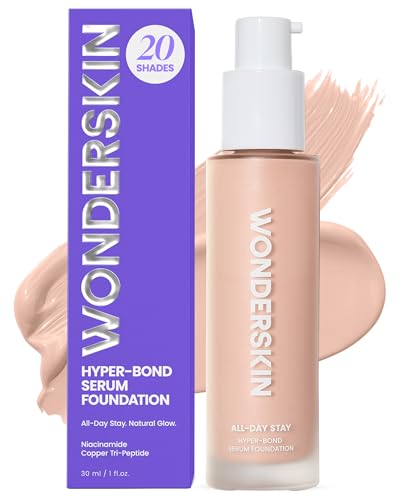
- Opt for Stable Formulations: Look for foundations that are specifically formulated to resist oxidation. Many brands now have ranges that claim to be ”oxidation-proof.”


-
- Test Before You Invest: Always swatch products and wear them for a few hours while monitoring any changes. This will help you identify if a product is prone to oxidizing.
Prep Your Skin
-
- Use a Good Primer: A quality makeup primer can create a protective barrier on your skin, helping to prevent reactions when makeup is applied.


-
- Exfoliate Regularly: Keeping your skin smooth will help makeup application and prevent uneven texture that may emphasize oxidation.
Set It Right
-
- Use Setting Powder or Spray: Setting your makeup with a translucent powder or a locking spray can help to curb changes due to environmental exposure.


What to Do If Your Makeup Has Oxidized
If you find that your makeup has succumbed to oxidation, don’t fret! Here’s what you can do:
-
- Mix with a Lighter Shade: If your foundation or concealer is too dark, mixing in a lighter shade can help balance the color.
-
- Use a Brightening Primer: A brightening primer can help counteract darker tones and give your complexion a more even appearance.


Conclusion on Makeup Oxidization
Understanding what does it mean when makeup oxidizes is not only fascinating but also essential for beauty lovers everywhere. Armed with this knowledge, you’ll be better prepared to choose products wisely and prevent any surprise transformations! By selecting the right formulations, practicing good skin prep, and staying aware of potential reactions, you can keep your makeup looking flawless all day long.
Dive deeper into the world of makeup science with reliable sources like Verywell Health and Healthline. Now go unleash your fabulous self and rock that makeup!