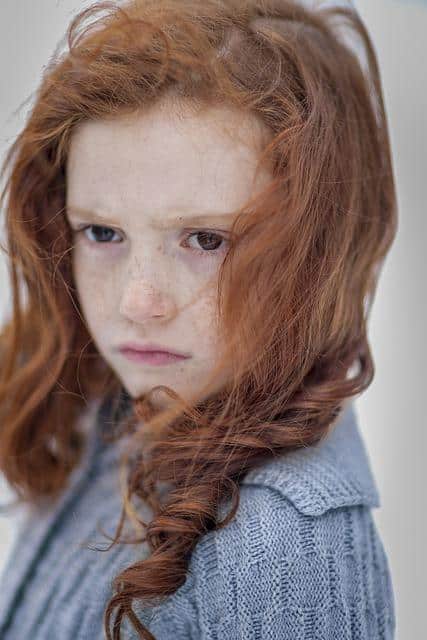
When Does A Newborn Hair Texture Change? This delightful journey of watching your little one grow and change unfolds many surprises, particularly when it comes to their precious hair. Newborns, oh my goodness, are like tiny little bundles of joy wrapped in a soft cocoon! Their hair texture, often a topic of curiosity, can be quite a mystery to new parents. In this article, we’ll explore the various stages of hair texture change as it relates to newborns, offering insights and tips for parents navigating this adorable adventure.
Understanding Newborn Hair Texture
Hair texture in newborns can range from silky-smooth to soft and wispy. Initially, many babies are born with fine, thin hair known as lanugo, which covers their bodies in the womb. This fine hair often sheds after birth, giving way to the hair textures we typically recognize. As we unravel the question, When Does A Newborn Hair Texture Change?, it’s essential to understand that this transition is both natural and beautiful.
The Journey of Newborn Hair Development
Birth to Six Months: The Fine and Fluffy Phase
During the first six months, a newborn’s hair is quite fragile and may seem unremarkable. Parents may notice various hair textures, which can spark a plethora of emotions – excitement, nostalgia, and sometimes a bit of confusion.
- Lanugo to Terminal Hair: In the early weeks, the soft lanugo that once adorned your baby begins to fall away. This process is entirely normal and indicates that your baby’s body is transitioning to their permanent hair. Some babies might have a lovely tuft of hair, while others are practically bald—both are perfectly adorable.
- The Shedding Process: Around three to four months, it’s common for babies to experience hair shedding. This phenomenon is sometimes a bit alarming for new parents, but don’t panic! Hair growth is just playing peek-a-boo under your baby’s scalp. They might not have full locks just yet, but they will!
Factors That Influence Hair Texture Change
Genetics and Hair Texture
Genetic predisposition plays a significant role in determining your newborn’s hair texture. Hair types and textures are inherited from parents, so peeking into family trees can provide hints:
- Straight, Wavy, or Curly: If mom has luscious curls while dad sports sleek locks, guess what? Your little bundle might just inherit a glorious mix!
- Textural Changes: Sometimes, hair texture evolves beyond birth—it isn’t uncommon for a child’s hair to shift from straight to wavy between 6 months and 2 years.
Beyond Six Months: The Texture Transitions
Six Months to One Year: What’s Happening?
The process of When Does A Newborn Hair Texture Change? continues into the first year, where you’ll likely see more defined textures emerge.
- Texture Development: Between 6 to 12 months, babies may start developing their unique hair identity. This is the phase where you might finally differentiate between babies who have soft straight strands and those with charming waves.
- Hair Thickness: As your baby approaches their first birthday, you may notice their hair thickening beautifully. This is a sign of steady growth, and it often brings joyful “Awws” as soft, baby curls take form.
One Year Onward: Fluffy to Fabulous
Year One to Two: Personality in Hair
Once your baby reaches their first birthday, their hair is typically more robust, and the texture may become more apparent.
- Potential Changes in Texture: Remember, the question of When Does A Newborn Hair Texture Change? doesn’t end at one year. Some kids will see significant transformations around ages two to three, where waves might turn into curls or vice versa.
- Routine and Care: As hair grows thicker, this is also the time to establish a gentle hair care routine using mild shampoos and conditioners suitable for sensitive scalps.
Caring for Your Newborn’s Hair
Gentle Practices for Care and Maintenance
Caring for your baby’s delicate hair is just as important as marveling at its texture. Here are some sweet tips to help manage their growing locks:
- Use Baby-Friendly Products: Opt for sulfate-free, tear-free shampoos that cater to a newborn’s sensitive skin.
- Brush Softly: Employ a soft-bristled baby brush for gentle grooming; this will help stimulate circulation and promote healthy growth.
- Avoid Heat: Just say no to heat styling tools! What’s a baby without their adorable natural look?
- Stay Hydrated: Keeping your little one well-hydrated will do wonders for their hair, just like it helps our beautiful locks!
Common Concerns and Myths
As parents, it’s natural to have concerns. Here are some normal hair-related happenings that are perfectly okay:
- Hair Loss: Besides normal shedding, if your little one experiences patches of baldness, it could simply be due to laying on their backs. It’s crucial to switch up positions and try tummy time!
- Texture Changes After a Year: Remember, hair isn’t set in stone! A child’s hair may change significantly between the ages of 1 and 3, and that’s absolutely normal.
Unique Hair Types in Newborns
Cultural Variations and Hair Types
Hair texture can vary greatly across different cultures and ethnic backgrounds. Some babies might be blessed with luxurious curls, while others flaunt silky straight strands!
- Multi-ethnic Heritage: For babies with diverse backgrounds, the chances are high that their hair texture could combine several beautiful attributes. Embrace the uniqueness!
Conclusion: A Hairy Adventure
Now that we’ve journeyed through the phases of newborn hair texture change and debunked some myths, it’s easy to see how When Does A Newborn Hair Texture Change? unfolds as a delightful adventure. Embrace every stage with open arms and plenty of giggles, because every strand tells a unique story!
Hair growth is just one of the many facets of your child’s development. By understanding what to expect, you’ll feel more confident in celebrating every glorious tuft and curl your precious little one is blessed with.
For a deeper dive into hair type genetics, check out this amazing resource on baby hair care and to learn more about common hair myths, visit parents.com.
So, hold on to those tiny locks and get ready for each enchanting phase of your baby’s growth!