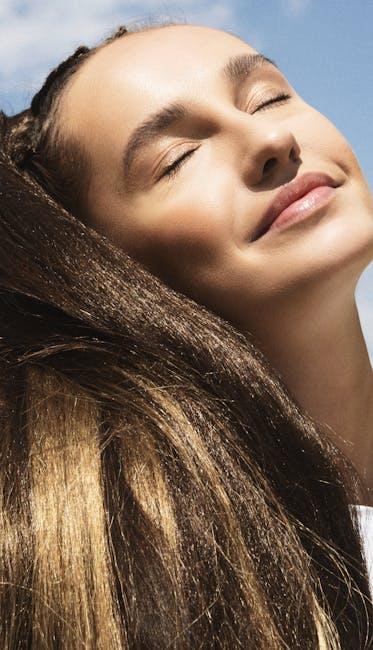
Can A Lack Of Protein Cause Hair Loss? Let’s dive into this hairy topic (pun totally intended)! So, picture this: you’re having a fabulous hair day, your locks are bouncy, shiny, and driving everyone wild, when suddenly, you notice a handful of strands on your pillow. Cue the dramatic music! But before you start panicking and questioning every single life choice, let’s talk about protein and hair loss. Because yes, darling, a lack of protein may very well be one of the culprits behind our hair drama.
Understanding the Protein-Hair Connection
When it comes to hair health, protein is your bestie. Keratin, the main protein that makes up your hair, is like that fabulous friend who always brings the fun to the party. Hair needs protein to grow strong and healthy. Without enough of it, your hair can start to thin, break, or even fall out. So, can a lack of protein cause hair loss? Absolutely!
- The Science of Hair Growth: Hair grows in cycles, with three main phases: anagen (growth), catagen (transition), and telogen (rest). Protein is essential during the anagen phase for creating new hair cells. Without it, this process slows down, leading to weaker strands and potential hair loss.
- Keratin’s Role in Hair Structure: As mentioned, keratin is a protein that forms the structural foundation of hair. Insufficient protein intake can lead to a lack of keratin production, which means your hair isn’t getting the support it needs to flourish. Think of it as trying to build a fabulous mansion without cement—oops!
The Symptoms of Protein Deficiency
Wondering if your hair is sending out SOS signals? Here’s what to look for:
- Brittleness: If your hair feels dry or brittle, it may be crying out for protein.
- Thinning: Notice more hair clinging to your brush? That’s a clear sign your strands might be under-nourished.
- Slow Growth: If your hair feels stuck in a perpetual grow-out phase, a lack of protein could be to blame.
- Hair Loss: Yes, the ultimate red flag—more than usual hair loss, especially after washing or styling.
So, if you’re experiencing any of these symptoms, it might be time to spruce up that protein intake!
Sources of Protein for Fabulous Hair
Alright, sweetpea, let’s get down to the nitty-gritty of how to up your protein game! Because nobody wants sad hair, right? Here’s a fabulous list of protein-rich foods you can incorporate into your diet:
| Food | Protein Content (per 100g) |
| Chicken Breast | 31g |
| Eggs | 13g |
| Lentils | 9g |
| Greek Yogurt | 10g |
| Fish (Salmon) | 25g |
| Quinoa | 4g |
Each of these delicious options can help boost your protein levels and contribute to healthier hair. Mix and match to keep things exciting and tantalizing for your taste buds!
Signs You May Be Protein Deficient
Recognizing the signs of protein deficiency is absolutely crucial to keeping your luscious locks intact. Here are some more tells that you might need to reevaluate that diet:
- Fatigue: Feeling sluggish? That’s your body telling you it’s missing vital nutrients, including protein.
- Mood Swings: Low protein can affect your mood, leading to irritability. And nobody wants that (especially when the world is full of sparkly shoes!).
- Nail Weakness: Just like your hair, your nails also rely on protein for strength. If they’re flaking or splitting, it’s time for a protein boost!
How Much Protein Do You Really Need?
So, how much protein is enough for hair health? While individual needs can vary based on activity levels and body weight, here’s a general guideline:
- Women: Aim for about 46 grams of protein per day.
- Men: About 56 grams per day will generally do the trick.
However, if you’re super active or trying to whip that gorgeous mane into shape, you might need even more! Don’t be shy about experimenting to find the right amount that keeps your hair looking fab.
Achieving Balanced Nutrition for Hair Health
Darlings, let’s chat about the importance of a balanced diet. While protein is essential, you can’t forget the other nutrients playing supporting roles in this hair drama:
- Vitamins: Vitamins A, C, D, and E, as well as B vitamins, are critical for hair health. Think leafy greens, nuts, and bright-colored fruits.
- Minerals: Zinc and iron are also superheroes for hair. Include legumes, seeds, nuts, and whole grains in your diet!
- Healthy Fats: Omega-3 fatty acids contribute to scalp health. Avocados, walnuts, and fatty fish are fabulous sources.
Mix in all these superhero nutrients with your proteins to create a glorious fountain of hair health.
Lifestyle Tips for Promoting Hair Growth
Okay, gorgeous, now that we’ve tackled nutrition, let’s dive into other lifestyle changes that can help promote hair health and combat hair loss due to protein deficiency:
- Stay Hydrated: Drink that H2O, baby! Staying hydrated keeps your hair moisturized from within.
- Limit Heat Styling: Too much heat can cause damage. Embrace your natural texture whenever possible and use heat protectant if you’re styling.
- Gentle Hair Care: Use a wide-tooth comb to detangle, and opt for sulfate-free shampoos and conditioners that won’t strip your hair of its natural oils.
- Scalp Massage: Yes, please! Massaging your scalp increases blood circulation which helps in delivering nutrients to hair follicles—hello, rapid growth!
When to Consult a Professional
If after addressing your diet and lifestyle you’re still dealing with hair loss, it may be time to turn to a professional. Consulting a dermatologist or a trichologist can provide insights into potential underlying conditions beyond protein deficiency that may be affecting your mane. They can offer tailored advice and medical treatments to tackle your hair woes.
Can A Lack Of Protein Cause Hair Loss? The Bottom Line
To wrap it all up, darling hearts, yes, a lack of protein can indeed cause hair loss. It’s essential for keeping your locks strong, shiny, and fabulous. So rather than despairing over the strands in your brush, whip up a protein-packed meal and take those steps toward healthier hair.
Don’t forget to nurture your mane with a balanced diet, hydration, and the love it deserves. With a bit of patience and care, you’ll have those luscious locks turning heads in no time! For more information about hair care and nutrition, check out blank”>this helpful resource and blank”>this research study to guide you in your journey! Happy hair days ahead!