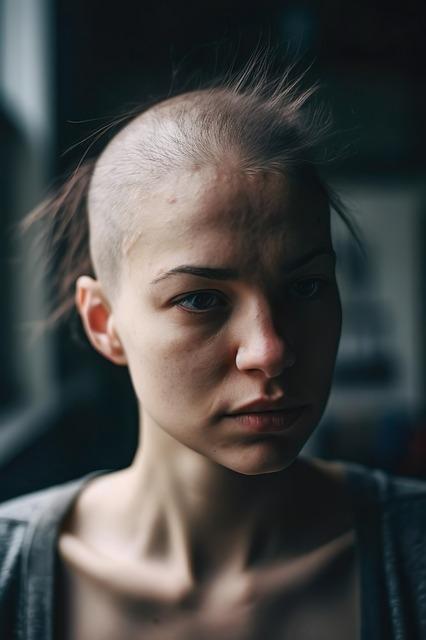
Hair loss is a topic that many, both men and women, tackle at various stages of life. Understanding what age does hair loss begin can help foster a better perspective on this natural occurrence. While it may seem daunting, it’s essential to remember that hair loss can be managed with knowledge and care. This article delves into the factors influencing hair loss and provides insights into how it varies by age and other variables.
Understanding Hair Loss and Its Causes
Overview of Hair Growth Cycles
To grasp when hair loss begins, it’s crucial to understand how hair growth cycles function. Hair grows in three distinct phases: anagen (growth), catagen (transition), and telogen (resting). Recognizing these cycles helps in identifying the normal shedding process versus pathological hair loss.
Anagen Phase
- Duration: The anagen phase can last from 2 to 7 years.
- Growth: During this phase, hair grows actively at about half an inch per month.
Catagen Phase
- Duration: This phase lasts about 2-3 weeks.
- Transition: It signifies the end of active growth, during which the hair follicles shrink.
Telogen Phase
- Duration: The telogen phase can last around 3 months.
- Shedding: At the end of this phase, hairs fall out, making room for new growth.
Understanding these phases is essential when exploring what age does hair loss begin. Hair loss in various forms, such as androgenetic alopecia or alopecia areata, can interrupt these natural cycles.
Common Causes of Hair Loss
Several factors contribute to hair loss, including:
- Genetics: Male and female pattern baldness largely stem from genetic predisposition.
- Hormonal Changes: Fluctuations during pregnancy, menopause, or thyroid problems can contribute to hair thinning.
- Stress: Stress and trauma can trigger temporary hair loss, known as telogen effluvium.
- Nutritional Deficiencies: Lack of essential nutrients, such as iron or protein, can lead to hair thinning.
With these insights, it’s evident that while what age does hair loss begin is a common question, it involves understanding the complexities of what affects our hair growth and loss.
The Age Factor in Hair Loss
Hair Loss in Youth
While we often associate hair loss with older age, the truth can shock many! Some individuals can experience hair thinning as early as in their late teens and early twenties.
- Genetics at Play: For those with a family history of hair loss, the genetic predisposition can manifest early, leading to noticeable thinning or balding spots.
- Lifestyle Factors: Stressors from education or personal life can exacerbate hair loss during these formative years.
Hair Loss Transition Through the 20s and 30s
As individuals move into their 20s and 30s, the dynamics of hair loss can change as follows:
- Men in Their 20s: About 25% of men experience some degree of hair loss by the age of 30. This often results from the androgenic alopecia—a cute term for male pattern baldness.
- Women in Their 30s: Women may notice increased shedding or thinning, particularly after pregnancy or due to hormonal changes experienced during this decade.
The discovery of what age does hair loss begin becomes clearer as more women share their experiences navigating hair changes during parenthood or with career stress.
The Role of Hormones
Hormonal fluctuations that peak during the 30s can wreak havoc on your mane. In women, changes can stem from:
- Pregnancy and Postpartum: Elevated estrogen levels during pregnancy create luscious locks, only to be followed by hair falling out post-birth.
- Menopause: By the late 40s to early 50s, many women undergo menopause, leading to significant hormonal dips that can cause thinning and bald patches.
What to Expect in Your 40s and Beyond
Notable Trends in Hair Loss for Women and Men
As fructose-like menage a trois (you remember those, right?) with life events, women and men approach hair loss at different paces:
- Women in Their 40s: Many notice a widening part or thinning across the crown. This tends to be gradual, making it essential to be proactive.
- Men in Their 40s and Beyond: The pattern often intensifies, with many experiencing significant thinning at the crown and receding hairlines. Percentage-wise, over 50% of men will notice some degree of hair loss by age 50.
The Emotional Impact of Hair Loss
Understanding what age does hair loss begin isn’t just about the physical changes; it also impacts emotional well-being. For both genders, finding appropriate coping mechanisms and support systems becomes essential.
- Foster Support: Joining groups or seeking counseling can less if feeling less alone helps.
- Focus on Self-Care: Maintaining a healthy lifestyle can bolster confidence, where vibrant nutrition leads to better hair vitality.
Preventive Measures and Treatments
Hair Care Routines
Developing a hair care routine can significantly help manage hair loss:
- Gentle Washing: Use sulfate-free shampoos. Harsh chemicals can strip hair of essential oils, leading to increased dryness.
- Conditioning Treatments: Regular moisturizing can help improve hair health. Consider using oils like argan or jojoba for added hydration.
Diet and Nutrition
A wholesome diet ensures hair receives the necessary fuel for growth and health:
- Protein: Hair is primarily made of protein. Ensure adequate intake of lean meats, fish, and legumes.
- Vitamins and Minerals: Consuming sufficient vitamins A, C, D, and E, as well as zinc and iron, can promote healthy hair.
Medical Treatments and Interventions
For those significantly affected by hair loss, various medical treatments might help:
- Minoxidil: A topical treatment to promote regrowth. Suitable for both men and women.
- Finasteride: A prescription pill for men for preventing further hair loss.
- Hair Transplants: A surgical option for those looking for permanent solutions.
For more in-depth research, check out resources from the Mayo Clinic and Healthline.
Conclusion
What age does hair loss begin varies widely among individuals. From young adults to those in their golden years, every person’s journey with hair loss is different. Embracing a proactive approach with care and support can lead to a positive experience. So, no matter your age or situation, understanding hair loss and finding the right resources can empower everyone to feel fabulous in their own skin and hair!
As we embrace our hair odyssey, let’s sparkle and shine, confident with every strand! 💁♀️✨