
Can Lack Of Magnesium Cause Hair Loss? The Unexpected Connection
In today’s fast-paced world, the significance of daily nutrients often gets overshadowed by the more glamorous aspects of health and beauty. But let’s shine a light on one magical mineral: magnesium! If you’ve ever found yourself wondering, “Can lack of magnesium cause hair loss?”, you’re not alone. This sneaky little nutrient plays a star role in many bodily functions, and its absence may lead to unexpected hair woes. Buckle up, beauty lovers, because we are diving deep into the world of magnesium, hair health, and everything in between!
Understanding Magnesium and Its Importance for Health
Magnesium is one of those essential minerals that our body craves. With over 300 biochemical reactions it supports, there’s no denying its importance! It’s a superstar for bone health, energy production, and even regulating muscle contractions. The truth is, magnesium is a must-have for our everyday lives.
The Role of Magnesium in Biological Functions
Magnesium isn’t just a one-trick pony; its complexity is breathtaking! Here are some ways magnesium works its magic:
- Energy Production: Magnesium helps convert food into energy, ensuring that your cells are buzzing with the vitality you need to slay your day.
- Protein Synthesis: It’s responsible for the synthesis of proteins that aid in hair structure and growth. Just think of magnesium as the fairy godmother for your locks!
- Bone and Teeth Health: Calcium may steal the spotlight, but magnesium works behind the scenes to keep bones strong and healthy.
- Nervous System Regulation: Magnesium helps keep your mind serene, reducing unnecessary stress and promoting relaxation. Who knew serenity could contribute to glowing hair?
Understanding these vital roles emphasizes why magnesium should be a steady player in your daily diet.
How Magnesium Deficiency Influences Hair Loss
Now, let’s get to the juicy part! So, can lack of magnesium cause hair loss? Absolutely! Let’s explore the factors that link magnesium deficiency to hair health.
Hair Follicle Function and Growth
Hair follicles are like the little houses where hair strands are born. When magnesium is lacking, these houses can become unstable. This instability can impact:
- Hair Growth: Magnesium is crucial in protein synthesis, which means without it, hair growth can stall.
- Hair Cycle Regulation: Magnesium helps regulate the hair growth cycle. A deficiency may lead to earlier transitions from growth to resting phases, resulting in hair shedding.
Stress and Magnesium Levels
Stress and hair loss go hand in hand, and guess who helps manage stress? You got it—magnesium!
- Stress Impact on Hair Loss: High-stress levels can lead to elevated cortisol, the stress hormone, which can ultimately lead to hair thinning or loss.
- Magnesium as a Calming Mineral: Low magnesium levels can exacerbate stress, creating a vicious cycle for hair health. Maintaining a balanced level of magnesium could mean peace of mind and fabulous hair!
Inflammation and Hair Loss
Magnesium also plays a significant role in controlling inflammation within the body, which can be detrimental to hair health.
- Inflammation Effects: Chronic inflammation can disrupt hair growth and lead to conditions such as alopecia. Magnesium helps keep inflammation in check, making it a crucial ally for the scalp and hair.
- The Connection: Keeping inflammation at bay paves the way for a healthy environment for hair growth, reinforcing the need for adequate magnesium intake.
Symptoms of Magnesium Deficiency
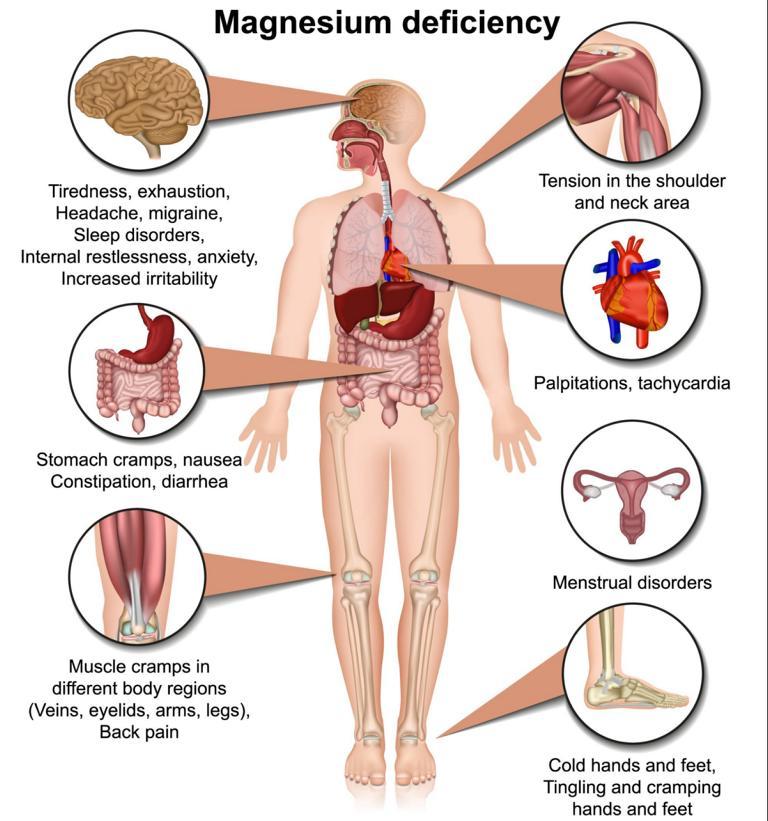
As glamorous as hair health is, it’s essential to recognize the signs of magnesium deficiency. Here are some symptoms that may suggest you’re running low on this precious mineral:
Physical Symptoms
- Muscle Cramps: Frequent cramps may signal your body is in need of some magnesium love.
- Fatigue: If you’re feeling more drained than usual, low magnesium levels could be the culprit.
- Nausea and Vomiting: These can occur as your body struggles with a lack of essential nutrients.
Mental and Emotional Symptoms
- Anxiety and Depression: Magnesium influences neurotransmitters that regulate mood. Therefore, deficiency can lead to increased anxiety or feelings of sadness.
- Irritability: If you are finding yourself being a bit more snappy than usual, it might be time to check your magnesium levels!
Once you recognize these symptoms, you can take action to address them.
Foods Rich in Magnesium
Let’s spice things up with the delicious aspects of magnesium! Including magnesium-rich foods in your diet can easily combat deficiency. Here are some amazing options:
Green Leafy Vegetables
- Spinach: A yummy, versatile leafy green perfect for salads and smoothies.
- Kale: A superfood superstar loaded with numerous health benefits.
Nuts and Seeds
- Almonds: A great snack that’ll keep your energy levels up while providing magnesium.
- Pumpkin Seeds: Perfect for topping your salads or munching on as a guilt-free snack!
Whole Grains
- Quinoa: A gluten-free superstar that packs a punch of protein and magnesium.
- Brown Rice: A wholesome alternative to regular rice, perfect for side dishes.
Dark Chocolate
Yes, you read that right! Dark chocolate (70% cocoa or more) isn’t just a treat, but it’s a delicious source of magnesium! Indulge yourself while treating your body right.
Supplements for Magnesium Intake
When it comes to magnesium, food is fabulous, but sometimes we need that extra boost, especially if you’ve been asking, “Can lack of magnesium cause hair loss?” Supplements might be a viable option for some.
Types of Magnesium Supplements
With various types available, it’s essential to know which ones suit your needs optimal for absorption and effectiveness:
- Magnesium Citrate: Quickly absorbs in the body, perfect if you’re looking for an immediate boost.
- Magnesium Glycinate: Known for its calming properties, making it perfect for stress relief.
- Magnesium Oxide: Contains a high percentage of elemental magnesium but may not be as easily absorbed as other forms.
Choosing the Right Dosage
Before diving head-first into the world of supplements, consulting with a healthcare professional is always a good idea! They can help you determine the appropriate dosage based on your needs and lifestyle.
Lifestyle Tips to Boost Magnesium Levels
Supercharge your magnesium levels through various lifestyle adjustments designed to rev up your intake and support hair health:
Mindful Meal Planning
Incorporating magnesium-rich foods into your weekly meals is a game changer. Try keeping a meal diary to track your intake!
Stress Management
With magnesium’s calming qualities, incorporating relaxation techniques like meditation, yoga, or even a warm bath can help manage stress levels and promote magnesium retention.
Regular Health Check-Ups
Regular check-ups can help catch any deficiencies early. Make magnesium levels a part of your routine discussions with your healthcare provider.
Conclusion: The Link Between Magnesium and Hair Loss
With all said and done, the answer is clear! Yes, lack of magnesium can indeed cause hair loss. By understanding the connection between this vital nutrient and healthy hair, we can take proactive steps toward our hair goals. From balancing stress to incorporating magnesium-rich foods into our diets, small changes can yield beautiful results for our locks and overall wellness!
By embracing the power of magnesium, we celebrate a healthier hair journey. So don’t wait, beauties; let’s get our gorgeous manes back with the magnesium magic!
Valuable Resources
For a deeper dive into the importance of magnesium, check out these reputable sources:
- The Role of Magnesium in the Treatment of Chronic Diseases
- Magnesium Fact Sheet for Health Professionals
Magnesium is calling! Will you answer? Let’s raise a toast (with our green smoothies) to happy hair!