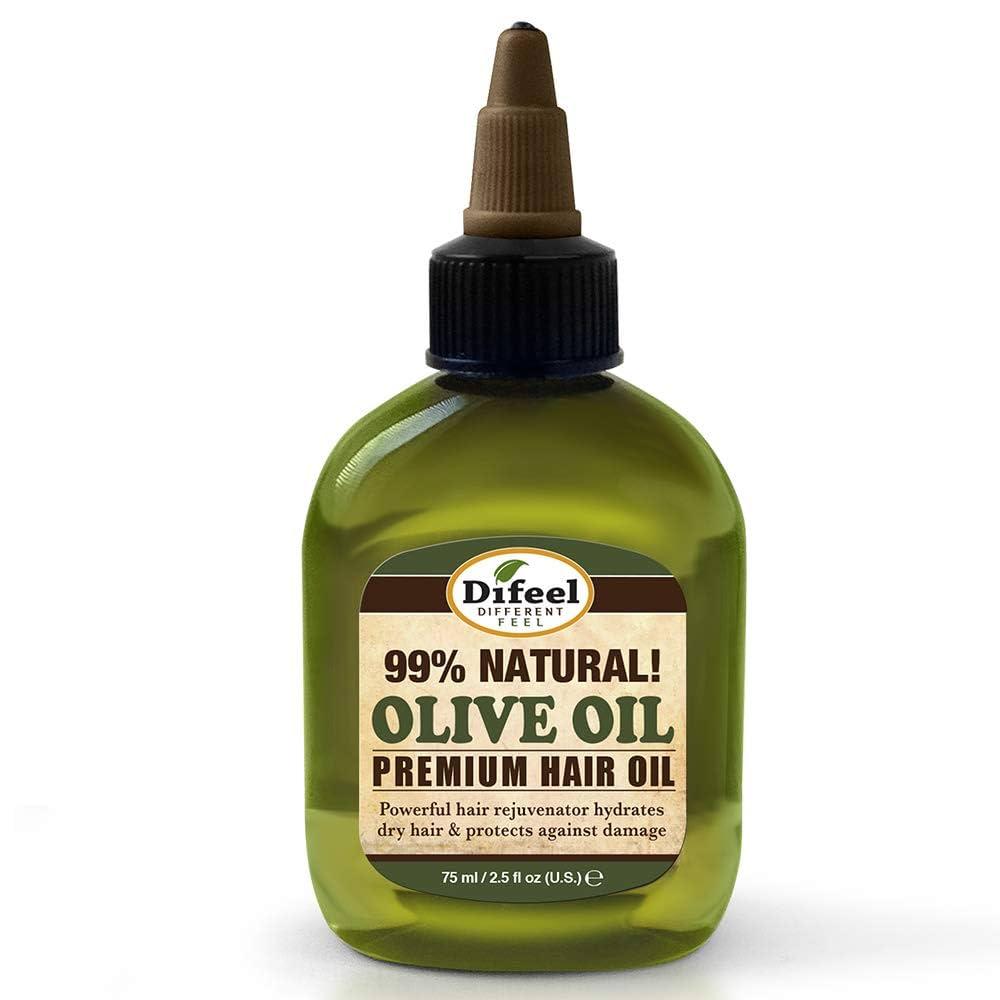
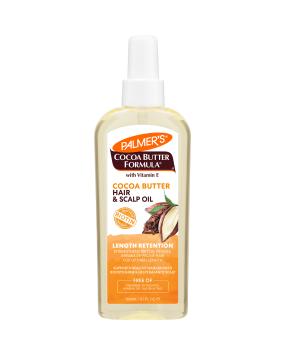
Are Hair Oils Necessary For Oily Hair? Well, let’s dive into this delightful subject and unravel the mysteries of the glossy world of hair oils. For anyone with oily hair, the thought of adding oil can feel like a giant jump into a deep pool while you’re already waddling around in the shallow end of greasiness. But fear not, my wonderful hair enthusiasts! There’s more to the story than meets the eye, and it’s time to discover whether hair oils are friends or foes for our lovely locks.
Understanding Oily Hair Types
Oily hair is typically caused by hyperactive sebaceous glands that produce excess sebum. It’s a regular occurrence where hair can appear limp, greasy, or just plain dirty far too soon after a good wash. If you find yourself racing to the shower every other day or splashing dry shampoo like it’s confetti, understanding your hair type is the first pivotal step.
The Role of Sebum
Sebum is that natural oil produced by your scalp which protects and nourishes your hair. The abundance of sebum can make your hair look shiny, but too much can lead to undesirable grease. Some common characteristics of oily hair include:
- Flatness: Oily hair often lacks volume, making it appear limp.
- Frequent Washing Needs: Oily hair tends to require more frequent washing, often daily.
- Visible Grease: This kind of hair can appear shiny in a less-than-chic way.
Understanding your oily hair type will help you determine if hair oils are necessary for your luscious locks or if you might want to take a pass.
Are Hair Oils Necessary For Oily Hair?
Let’s break down this juicy question: Are hair oils necessary for oily hair? While it might sound counterintuitive, hair oils can, in fact, be beneficial for those with oily scalps when used correctly. Here are some reasons why embracing hair oils can be advantageous:
Balancing Act of Oils
Using the right hair oils can help maintain a healthy balance. Here’s why:
- Clarity: Certain oils can help clarify and purify the scalp without the greasy aftermath. Think of oils like tea tree or eucalyptus – they possess cleansing properties that keep the scalp happy.
- Detox your Scalp: Just like our skin, our scalps can benefit from a detox. Hair oils designed to regulate sebum production can be effective.
Moisture without the Weight
The right oils do not weigh down your hair, and they can actually aid in hydration. The goal is to find non-comedogenic oils that do not clog your scalp pores. Here’s what you may consider:
- Jojoba Oil: Closely resembles sebum, helping to regulate oil levels.
- Grapeseed Oil: Lightweight and perfect for hydration without heaviness.
How Hair Oils Help with Oily Hair
Nourishment to Your Strands
Even oily hair needs hydration. Oily hair can be dry at the ends due to excessive washing. Some nourishing oils can help repair split ends and restore hydration.
Recommend Oils for Oily Hair
Are hair oils necessary for oily hair? Absolutely, if used wisely! Here’s a list of fabulous oils perfect for oily hair:
| Oil Type | Good For | Benefits |
|—————-|————————————|———————————————|
| Jojoba Oil | Balancing sebum | Mimics sebum, regulates oil production |
| Tea Tree Oil | Scalp health | Antimicrobial properties, reduces buildup |
| Grapeseed Oil | Hydration without heaviness | Lightweight, adds moisture |
| Argan Oil | Repairing damaged ends | Rich in fatty acids, nourishes and restores |
Application Tips for Hair Oils
The Perfect Method
Using oil might seem daunting, but it’s all in the technique! Here’s how to apply hair oil without transforming your gorgeous mane into spaghetti:
- Choose Wisely: Opt for oils that are light and suitable for oily hair.
- Make a Pre-Wash Treatment: Apply a small amount to the scalp and hair ends only, and leave it for about 30 minutes before washing.
- Avoid Greasy Residue: Start with a dime-sized amount. Use more only if necessary.
- Scalp Massages: Don’t just apply oil – play in the playground! Massage it into your scalp to boost circulation.
Frequency of Use
Depending on how your hair feels, using oil once a week is typically sufficient for oily hair. Remember, everyone’s hair responds differently, so observe what works for you.
Myths and Misconceptions about Using Hair Oils
Oily Hair and Heavy Oils
One common myth is that oily hair should avoid all types of oil. This misconception can lead to stripping the hair of its essential nutrients and moisture. Here’s the tea:
- Heavy Oils are Bad: Not all oils are heavy! Lightweight oils can hydrate without clogging.
- Frequency: You don’t have to use oil daily. Weekly treatments often do the trick!
Conclusion on Hair Oils for Oily Hair
So, are hair oils necessary for oily hair? Oh, honey, yes! With the right approach and knowledge, incorporating hair oils into your routine can be a delightful experience rather than a greasy one. Embrace the various oils out there and try to relate to your hair’s unique personality. As you discover the oils that work best for you, you’ll find your strands looking more vibrant and healthy than ever.
Feeling a little confused? Don’t worry! Equipped with this information, you’re well on your way to making informed choices for your beautiful hair. Now, go forth and conquer the world with your head held high and your hair positively glowing!✨
For more fabulous tips about oily hair care routines, check out these resources: The Best Hair Oils and Understanding Hair Oils.