Does Meth Cause Hair Loss? This question may seem simple, but the implications are anything but! Methamphetamine is a potent and highly addictive stimulant that impacts many aspects of health, including the luscious locks we all love. Whether you’re reading this for personal reasons or out of curiosity, the relationship between meth use and hair loss needs to be explored in depth. Let’s dive right into this topic with a sprinkling of facts, a dash of humor, and a whole lot of girl power!
Understanding Methamphetamine and Its Effects
Methamphetamine, often simply referred to as meth, is a powerful central nervous system stimulant. This substance can lead to severe physical and psychological effects, which can be catastrophic for users. Does Meth Cause Hair Loss? To answer that, we first need to understand how meth affects the body.
What Is Meth?
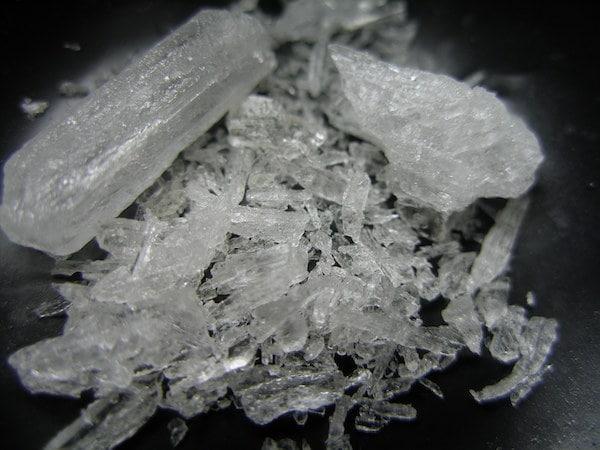
Meth is often found in a crystal form known as crystal meth or as a white powder. It can be snorted, smoked, injected, or ingested. The euphoric high it delivers can lead to intense addiction, making it a popular but dangerous choice. Users often maintain a frantic pace of activity, leading to significant physical and mental health deterioration.
The Short-Term Effects of Meth Use
When someone uses meth, they experience an extreme rush of euphoria and increased energy. However, alongside these initial effects come some less glamorous side effects, including:
- Increased heart rate and blood pressure
- Decreased appetite
- Insomnia and sleep disturbances
- Potential for aggressive behavior
These effects might seem manageable, but the long-term consequences can be dire. It’s fascinating (and horrifying!) how one little decision can spiral into a complex web of issues, including hair loss!
The Connection Between Meth and Hair Loss
Now, let’s tackle the meat of the matter: Does Meth Cause Hair Loss? Yes, sadly it does. This connection is complex, but it primarily revolves around the nutritional deficiencies, health deterioration, and hormonal changes induced by meth use.
How Meth Causes Hair Loss
- Nutritional Deficiencies:
– Meth users often suffer from poor nutrition due to the decreased appetite that comes with the drug. Without proper nutrients, the body struggles to maintain healthy hair growth.
- Hormonal Changes:
– The use of meth affects the production of hormones that regulate hair growth. Stress hormones elevate in response to meth usage, leading to hair shedding.
- Increased Stress:
– Meth addiction is often accompanied by high-stress levels, both physically and emotionally. Stress-related hair loss is a well-documented phenomenon, known as telogen effluvium.
- Circulatory Issues:
– Meth constricts blood vessels, which can reduce blood flow to the scalp and follicles, ultimately leading to thinning hair.
- Poor Hygiene:
– Chronic users may neglect personal hygiene and general self-care, which can also contribute to hair problems.
How Meth Abuse Manifests in Hair Loss
Let’s take a closer look at how specifically hair loss can manifest in those who abuse meth:
- Thinning of Hair: As the body fights to cope with the absence of essential nutrients, hair may become thinner, leading to visible bald patches.
- Dry and Brittle Hair: Meth use can lead to a lack of moisture in the hair, making it dry and fragile. This brittleness could lead to breakage and increased shedding.
- Premature Graying: The damage caused by meth can lead to premature aging in various parts of the body, including hair. Meth users might find their hair turning gray far earlier than their peers.
Signs of Hair Loss Related to Meth Use
Keep an eye out for these signs if you or someone you know is struggling with meth addiction, because recognizing these symptoms is the first step toward recovery:
- Excessive Shedding: Seeing way more strands on your hairbrush than usual can be a warning sign.
- Increased Scalp Visibility: If parting your hair reveals more scalp than normal, that’s definitely a red flag.
- Changes in Hair Texture: Hair that feels coarse and unmanageable is another indicator.
- Complete Bald Patches: More severe cases may present alarming bald spots on the scalp.
Recovery and Hair Restoration
If you’re ready to kick meth to the curb, there’s hope! Once someone stops using meth, it’s entirely possible for hair to start regrowing and restoring itself. Here are some steps to aid recovery:
Seeking Professional Help
The road to recovery often begins with seeking professional help. Substance abuse professionals can offer guidance, support, and treatment options to assist with recovery. Programs often include therapy and group support, which help tackle the underlying issues surrounding addiction.
Nutrition and Diet
Once the body is free of meth, the next step is nutritional healing. Focusing on a balanced diet rich in vitamins and minerals is crucial for hair restoration. Here are some key nutrients that can aid:
- Biotin: Known for promoting hair growth.
- Protein: Vital for building keratin, the structural protein in hair.
- Iron: Supports blood circulation to the scalp.
- Omega-3 Fatty Acids: Keep hair follicles healthy.
Consider incorporating foods like eggs, nuts, spinach, and salmon into the diet for ultimate hair revival.
Hair Care Routine
As hair starts to regrow, establishing a suitable hair care routine can help. Here are a few tips to keep in mind:
- Use Gentle Products: Switch to sulfate-free shampoos and nourish dry hair with conditioners.
- Limit Heat Styling: Try to avoid heat as much as possible to minimize further damage.
- Regular Trims: Keeping hair trimmed every six to eight weeks can encourage healthier growth.
Emotional Effects of Hair Loss and Recovery
It’s essential to consider the emotional ramifications of hair loss due to meth addiction. Hair is often tied to our self-esteem and identity, so losing it can lead to feelings of embarrassment or shame.
Building Self-Confidence
As people recover from addiction and hair begins to grow back, it’s essential to focus on rebuilding self-esteem. Here are some tips for fostering self-confidence during this journey:
- Find Support: Surround yourself with supportive friends and family who uplift and empower you.
- Express Yourself: Change your hairstyle or experiment with fun accessories to celebrate your individuality while waiting for regrowth!
- Professional Help: Speaking to a therapist can provide tools to navigate the emotional fallout surrounding addiction and hair loss.
Conclusion
To answer the ultimate question, Does Meth Cause Hair Loss? Yes, it certainly does. The link between meth use and hair loss may be both surprising and disheartening. However, understanding this relationship is a crucial step towards recovery and ultimately regaining health.
If you or someone you know is trapped in the vicious cycle of meth addiction, know that help is available. Reaching out to professionals or local support groups can help get you back on the path to recovery and restoration. Through dedication, care, and proper resources, luscious hair can flourish once again.
If you’re interested in more information on this topic, feel free to check out these comprehensive resources: NCBI and Mayo Clinic. Embrace your journey to healthy hair and happier days ahead!