Who Do People Get Split Ends In Hair ?
Split ends are a common hair woe that many of us face at some point in our lives. If you’re wondering who do people get split ends in hair and why this pesky problem occurs, you’re in the right place! Let’s unravel the mystery of split ends, the culprits behind them, and how to prevent and treat this all-too-familiar issue.
Understanding Split Ends
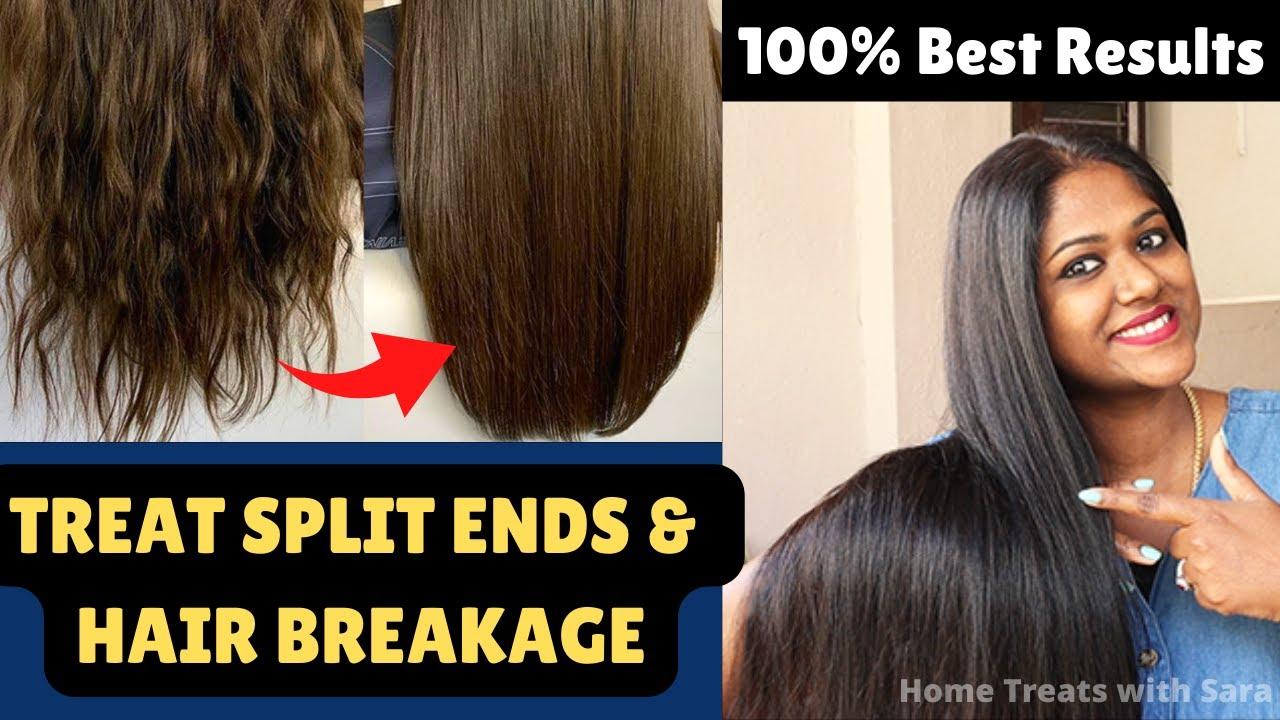
Split ends, or trichoptilosis, happen when the protective outer layer of the hair cuticle wears away. This leads to a frayed and split point at the end of the hair strand. Who do people get split ends in hair? It turns out that this condition plagues many, regardless of hair type, length, or texture.
Common Causes of Split Ends
Recognizing the reasons behind the formation of split ends can help us tackle them effectively. Here are some of the most common causes:
- Heat Damage: Excessive use of heat styling tools, like straighteners, curling irons, and blow dryers, can weaken the hair structure. Over time, this leads to the inevitable split ends. Think of it as your hair screaming for some TLC!
- Chemical Treatments: Hair coloring, perming, and relaxing treatments introduce harsh chemicals to your locks. While they might give you that new hue or bounce, they can also strip away moisture and elasticity, making your hair brittle and more prone to splitting.
- Environmental Factors: Exposure to sun, wind, and pollution can wreak havoc on your hair. For example, UV rays can degrade proteins in hair, leading to dryness and splitting.
- Lack of Moisture: Dry hair is more susceptible to split ends. If you’re not hydrating both from the inside (drink that water, girl!) and outside (hello, deep conditioners!), your strands will suffer.
Signs of Split Ends
Knowing how to identify split ends is crucial if you’re trying to rescue your hair. Here are some signs to look out for:
- Frayed Ends: If your hair strands look like they’re fraying or splitting into two or three at the tips, congratulations! You’ve got split ends.
- Dry Texture: Hair that feels dry, rough, or straw-like is often the residence of split ends.
- Increased Breakage: If you notice that your hair is breaking off more than usual when you style or brush it, split ends might be the culprit.
Who Do People Get Split Ends In Hair? The Hair Types Affected
This issue doesn’t discriminate! Who do people get split ends in hair? Let’s explore how various hair types are affected:
- Straight Hair: Straight hair tends to show split ends more prominently due to its sleek nature. The lack of texture can expose damaged ends easily.
- Wavy Hair: Wavy hair can still develop split ends, but the texture can sometimes hide them. Nonetheless, moisture is key for wavy hair to keep those split ends at bay.
- Curly Hair: While curly hair may seem less prone to split ends due to its texture, dryness is a common issue. Curly hair often requires extra hydration to maintain its health, or split ends will make an unwelcome appearance.
Prevention Techniques for Split Ends
Now that we understand the causes and types, let’s dive into how to prevent those pesky split ends from ruining our fabulous hair:
- Reduce Heat Styling: Limit the use of heat tools. If you must use them, always apply a heat-protectant spray first. Consider air-drying your hair whenever possible.
- Embrace Regular Trims: Getting regular trims every 6-8 weeks can help keep split ends at bay. Your stylist can snip off the damaged ends, leaving your hair looking fabulous and healthy.
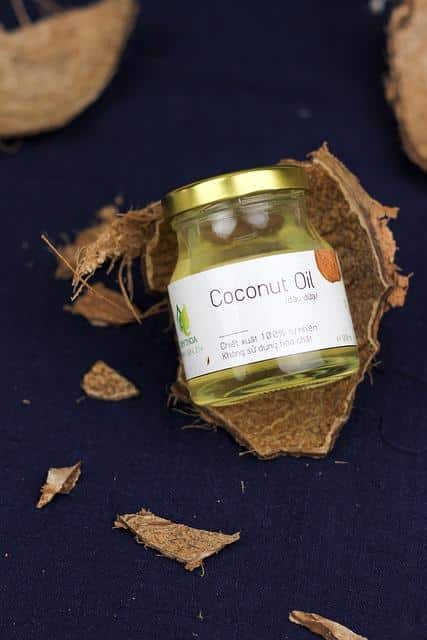
- Hydrate Your Locks: Use deep conditioning treatments at least once a week. Look for products containing natural oils like argan, coconut, or olive oil, as they deeply nourish the hair.
- Choose Gentle Hair Products: Opt for sulfate-free shampoos and conditioners that won’t strip your hair of its natural oils. Your hair deserves the best, so pamper it!
- Be Mindful of Hair Accessories: Avoid rubber bands that can snag and break hair. Instead, opt for fabric-covered hair ties or scrunchies that are gentle on your strands.
Treatment Options for Split Ends
While prevention is key, there are also treatments available for those already suffering from split ends. Here’s how to address them:
- Hair Masks: Invest in a good hair mask rich in nutrients. Apply it once a week for a hydrating boost. Ingredients like avocado, honey, and yogurt work wonders for dry, split-prone hair.
- Oils and Serums: A few drops of natural oil or a leave-in conditioner can help smooth split ends and add shine. Look for nourishing oils that provide moisture and sealing properties.
- Hair Repair Treatments: Consider salon treatments designed specifically to mend damaged hair. A keratin treatment, for instance, can help fill in the gaps and make your hair look luscious once again.
When to Consult a Professional
If despite your best efforts, split ends persist, it might be time to consult a professional stylist. A salon visit can help you diagnose any underlying issues and provide tailored solutions for your hair type.
Conclusion and Final Thoughts on Split Ends
With a deeper understanding of who do people get split ends in hair, it’s clear that knowledge is power when it comes to maintaining healthy locks. By implementing preventive measures and addressing existing split ends, anyone can achieve their hair goals.
Remember that beautiful hair starts from the inside out! Keep hydrated, treat your tresses gently, and don’t forget to love the hair you’re in—split ends and all! For more hair wisdom, check out resources like Healthline and Byrdie for additional tips and tricks to keep your hair looking fabulous.