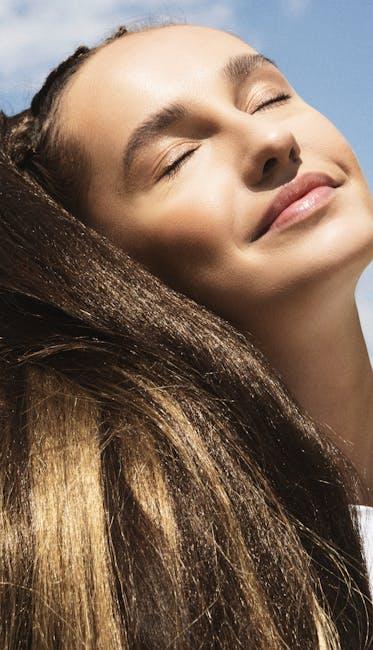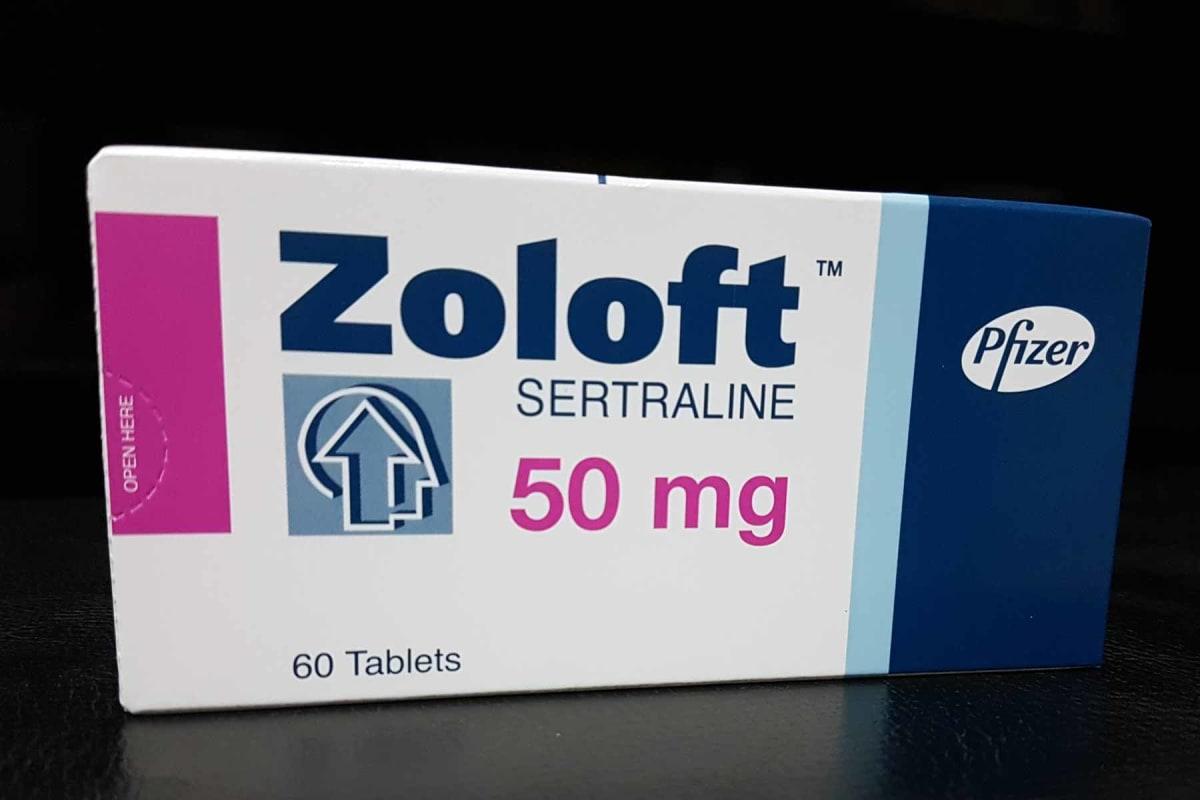
Does Zoloft Cause Hair Loss? This is a question that many individuals find themselves pondering, especially those who are on their journey to better mental health. It’s totally understandable—hair is kind of a big deal for many of us, right? So, let’s dig into the details, shall we? We’ll explore what Zoloft (sertraline) is, its potential side effects, including hair loss, and everything in between.
Understanding Zoloft and Its Uses
Zoloft, the upbeat name for sertraline, is part of a category of medications known as Selective Serotonin Reuptake Inhibitors (SSRIs). It’s commonly prescribed for conditions like depression, anxiety disorders, panic attacks, and even OCD. These little pills work by increasing levels of serotonin in the brain, which is that fabulous little neurotransmitter responsible for mood regulation. It’s like giving your brain a sweet hug!
However, like any medication, Zoloft can come with its own set of side effects. While some of these side effects are quite manageable—think nausea and drowsiness—others can be a bit more concerning. So, let’s sink our teeth into the juicy part: Does Zoloft cause hair loss?
Exploring the Connection Between Zoloft and Hair Loss
When it comes to the question “Does Zoloft cause hair loss?” the answer is not as straightforward as one might hope. Here’s the scoop! While hair loss isn’t a widely reported side effect of Zoloft, some patients have noted that they experienced shedding after starting this medication. Isn’t that just the worst? Losing hair while trying to fix your mood!
Here’s a little table to break down the possible side effects of Zoloft for a quick visual:
| Common Side Effects | Less Common Side Effects | Rare Side Effects |
|---|---|---|
| Nausea | Hair loss | Severe allergic reactions |
| Drowsiness | Insomnia | Increased anxiety |
| Dry mouth | Weight gain | Seizures |
The Science Behind Hair Loss and SSRIs
So, let’s talk about the science-y stuff behind how Zoloft might lead to hair loss. If some users find themselves shedding hair like a cat in the spring, what’s up with that? It’s suggested that hair loss from SSRIs might be related to changes in hormone levels or a reaction that some folks have to the medication itself.
Interestingly, the body’s response to medication can differ from person to person, which means that while Sally might lose a few strands, Betty is strutting around with the shiniest locks imaginable, all thanks to Zoloft! Isn’t it funny how our bodies can be so different? (And sometimes downright dramatic!)
Factors Contributing to Hair Loss While on Zoloft
It’s essential to consider several factors that might impact hair loss when taking Zoloft. These can include:
- Genetics: If hair loss runs in the family, it might be more likely to occur regardless of medication.
- Hormonal Changes: Fluctuations in hormones can cause temporary shedding.
- Stress Levels: Stress is a sneaky little culprit that can steal your hair faster than you can say “Zoloft.”
- Nutritional Deficiencies: A lack of essential vitamins can lead to hair thinning.
Managing Hair Loss: What Can You Do?
So, what can sweethearts like us do if we’re concerned about losing hair while taking Zoloft? Here are some adorable strategies to keep those tresses looking fabulous:
- Consult Your Doctor: Always check in with your healthcare provider about concerns. There may be alternative medications or additional treatments to help!
- Maintain a Balanced Diet: Incorporate lots of vitamins and proteins to support healthy hair growth. Think of it as a land of leafy greens and bright fruits!
- Scalp Care: Use gentle shampoos and conditioners infused with ingredients known for promoting hair health.
- Stress Management Techniques: Try yoga, meditation, or even just dancing in your living room to manage stress levels. Your hair deserves all the love!
- Consider Supplements: Talk to your doctor about taking hair-nourishing supplements. Who doesn’t love a little extra TLC?
Breaking Down the Myths About Zoloft and Hair Loss
Let’s get real for a moment—there’s so much information out there, and that can lead to some wild myths surrounding Zoloft and hair loss. The biggest myth is that Zoloft will automatically cause hair loss for everyone. While some may have experienced this side effect, not everyone will. Remember, your experience is uniquely yours, and this medication may just give you a wonderful hair day while helping lift your spirits!
When to Seek Professional Help
If one finds hair loss continues after stopping Zoloft, it’s essential to seek professional evaluation. Hair loss could be indicative of underlying health problems that might need attention. Your healthcare professionals can help you navigate your journey and offer viable solutions.
Conclusion on Zoloft and Hair Loss
So, where does that leave us on the question: “Does Zoloft cause hair loss?” Although some people have reported experiencing this side effect, it is important to recognize that individual responses to medication can vary. Focusing on a balanced diet, practicing self-care, and keeping close tabs on how your body reacts can make a world of difference.
At the end of the day, our mental and emotional health is paramount. If Zoloft helps lift your spirits, the occasional hairs on the brush may be a trade-off worth making. Just remember, you’re fabulous no matter what, and embracing this journey with love and laughter is essential!
For more information about depression and effective treatment options, visit NAMI and to explore academic studies on hair loss, check out NCBI.
So, go out there, feel fabulous, and remember—your hair is just a part of your wonderfully unique self!