Do Split Ends Stunt Hair Growth? Navigating the Myths and Realities
Feeling frustrated about your hair and wondering, “Do split ends stunt hair growth?” Well, darling, you’re not alone. It’s a topic that often bounces around salon chairs and beauty blogs alike, and many of us are left scratching our heads. Split ends can be such a nuisance, and today we’re going to dive into the science of hair growth, split ends, and the ultimate truth behind this oft-debated question. So, grab your favorite hair mask and let’s get into the details.
Understanding Split Ends and Hair Structure
To get to the bottom of whether split ends stunt hair growth, let’s first chat about the basics of our beloved hair. Hair is made up of a protein called keratin, which forms the structure of each strand. When our hair is healthy, it’s strong, shiny, and oh-so-beautiful. However, things like heat styling, environmental stressors, and a lack of moisture can lead to damage, ultimately resulting in those pesky split ends.
What Are Split Ends?
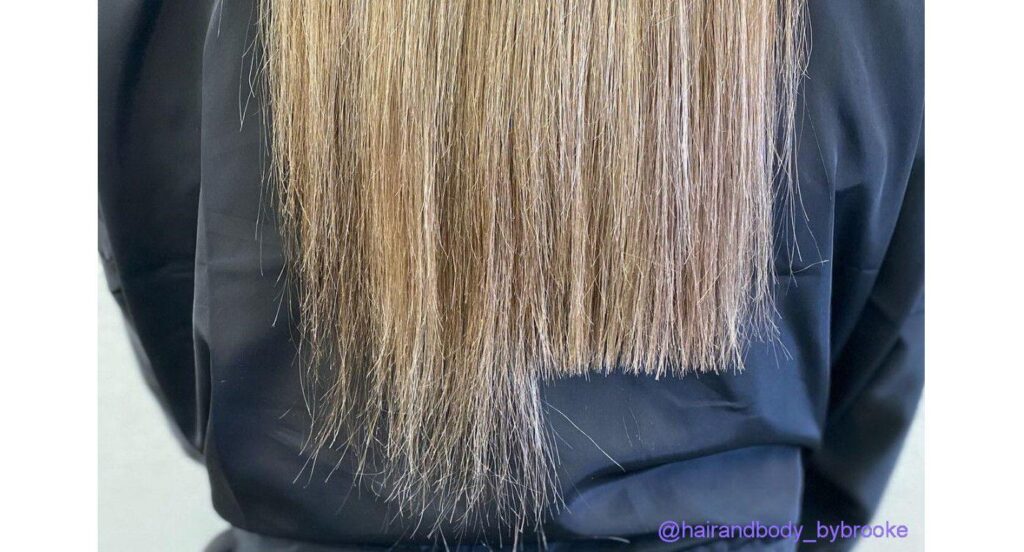
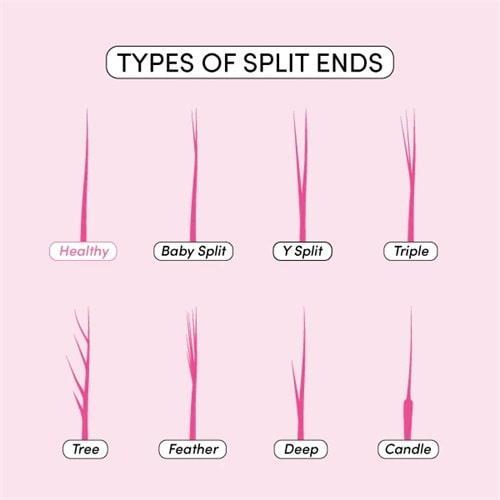
Split ends, scientifically termed as trichoptilosis, occur when the ends of the hair shaft become frayed or split. They can happen to anyone but are particularly common in dry or damaged hair. Those little, heartbreaking splits can occur due to many factors:
- Heat Damage: Using flat irons and curling wands like they’re going out of style (which, spoiler alert, they don’t) can wreak havoc on hair health.
- Chemical Treatments: Dying, perming, or relaxing hair can weaken its structure.
- Environmental Factors: Overexposure to sunlight, cold weather, and humidity can dry out strands.
Understanding what causes split ends is only half the battle. The real question is, how do they affect hair growth?
Do Split Ends Stunt Hair Growth?
Let’s break it down, shall we? The short answer: not directly. Split ends themselves do not impede your hair from growing. Hair growth occurs from the follicles in your scalp, so if you’ve got active follicles, your hair is growing, babe! However, split ends can be indicative of overall hair health, and that’s a critical distinction.
When split ends occur, they can lead to more significant breakage if not addressed, and broken hair means your hair may not achieve its maximum potential length. You could be growing hair like a weed, but if it’s breaking off, it may seem like your growth has stalled.
The Hair Growth Cycle Explained
To understand how split ends play into the overall shuffle of hair growth, let’s dive a little deeper into the hair growth cycle:
- Anagen Phase: This is the growing phase, occurring for two to seven years. Picture your hair doing a fabulous runway walk, strutting its way to fabulous lengths!
- Catagen Phase: This transitional phase lasts about 10 days. Hair follicles shrink and prepare for shedding; think of it as the “pre-leaving the party” stage.
- Telogen Phase: there’s the shedding phase. This can last for around three months, during which around 25-100 strands may fall out daily. It’s normal, but if it’s excessive, that could be a sign of underlying issues (like stress or a nutrient deficiency).
How to Prevent Split Ends
Now that we’ve established that split ends may not directly stunt hair growth, it’s crucial to keep those adorable strands healthy and happy! Here are some tips to prevent those little splits:
Regular Trims
Regular haircuts every six to eight weeks can help maintain healthy ends. It’s like a refreshing spa day for your strands! Snipping off damaged ends prevents further splitting and keeps your hair looking fresh.
Use Quality Hair Products
Opt for sulfate-free shampoos and conditioners that nourish your hair rather than strip it. Products enriched with natural oils, proteins, and vitamins can work wonders. And girl, your hair will thank you!
Heat Protection
Always use a heat protectant spray when styling with hot tools. It’s like sunscreen for your hair—protect those lovely locks!
Nourish from Within
What you eat can significantly affect your hair’s health. Foods rich in vitamins A, C, D, E, and omega-3 fatty acids are beneficial for growth. Here’s a quick cheat sheet for hair-loving foods:
| Nutrient | Best Sources |
|—————|———————————–|
| Vitamin A | Sweet potatoes, carrots, spinach |
| Vitamin C | Citrus fruits, strawberries |
| Vitamin D | Fatty fish, egg yolks |
| Vitamin E | Nuts, seeds, avocados |
| Omega-3 | Fish, walnuts, flaxseeds |
When to Consult a Professional
If you’re consistently dealing with split ends despite taking care of your mane, it might be time to consult a hairstylist or dermatologist. Sometimes, underlying issues like nutritional deficiencies, hormonal imbalances, or improper care can lead to persistent hair problems. Seeking professional advice is always a wise move.
Conclusion
So, do split ends stunt hair growth? The answer is no—they don’t directly affect the growth rate of your hair. But they can signal potential issues that could prevent you from reaching peak hair length and health. By nurturing your strands with the proper care, including trims, quality products, and nutrition, you can keep your hair looking its best. So, take a deep breath and remember: even if you have split ends, fabulous hair is still in reach. Now go out there and flaunt those gorgeous locks, darling! 💁♀️✨
For further reading on hair care and health, check out these resources: Healthline and Medical News Today.